

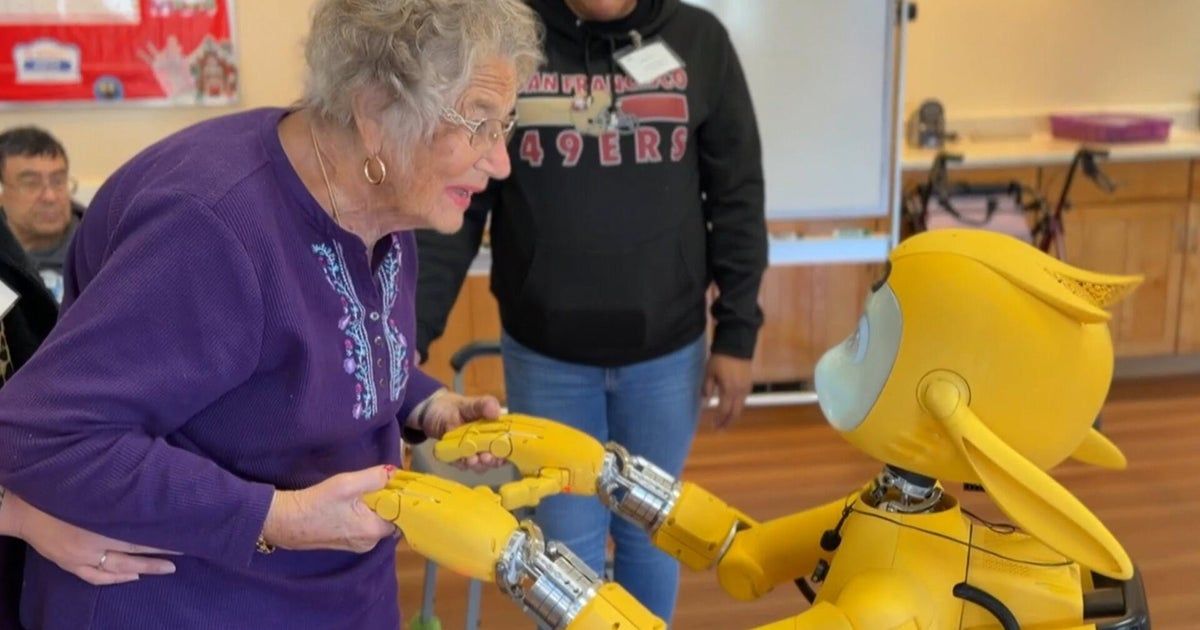
Robots in nursing homes are not replacing nurses; they are tools designed to take repetitive, time-consuming tasks away from overstretched care teams. Used well, assistive technology can help staff spend more time on resident interaction, safety checks and clinical judgment, while machines handle delivery, reminders, monitoring and documentation support.
For investors and tech-curious readers, the important story is not a sci-fi vision of robot caregivers. It is the gradual automation of care operations in a sector facing rising demand, tight labor supply and pressure to improve quality without simply adding more hours to every shift.
Why care facilities are looking at robots
Nursing homes, assisted living communities and adult day centers run on human labor. Care aides, nurses, therapists, dining staff, housekeepers and administrators all contribute to daily resident care. When staffing is thin, even small interruptions can matter: a nurse may spend time hunting for supplies, a caregiver may need to walk long distances to fetch linens, or a manager may spend hours reconciling documentation.
Robots and other assistive technologies are being considered because they can reduce friction in these workflows. The goal is not to turn elder care into a factory. The goal is to remove avoidable steps so trained staff can focus on the work that requires empathy, attention and professional judgment.
This matters to investors because elder care sits at the intersection of demographics, healthcare spending, labor economics, property operations and software. If a technology can reliably improve staffing efficiency, reduce worker strain or help operators document care more accurately, it may have value. But the market is also difficult: budgets are constrained, regulation is strict, and products must work safely around vulnerable people.
What tasks robots and assistive tools can handle
The most useful care robots usually start with practical jobs. They move items, clean spaces, support mobility, collect information or prompt residents and staff. These tasks may sound ordinary, but in a large facility they can consume meaningful time across a day.
- Delivery and logistics robots: Mobile carts can transport meals, laundry, supplies, lab samples or medications under staff supervision. This can reduce walking time and free workers from routine trips across a building.
- Cleaning and environmental support: Robotic floor cleaners and automated disinfection tools can support housekeeping teams. They do not eliminate the need for human cleaning, especially in resident rooms and sensitive areas, but they can handle repeatable routes.
- Mobility and lifting assistance: Powered lifts, transfer aids and wearable support devices can help move residents more safely. These are not always called robots, but they are part of the same assistive technology trend.
- Monitoring and alert systems: Sensors, cameras, bed alerts and wearable devices can flag movement, falls, wandering risk or changes in routine. The value depends on accuracy and how alerts are routed to staff.
- Social and engagement robots: Some devices lead activities, play music, provide reminders or offer simple conversation. They may reduce loneliness for some residents, but they are not substitutes for human relationships.
- Documentation and administrative tools: Voice assistants, scheduling software and AI-assisted note tools can reduce paperwork. In care settings, these systems must be accurate, auditable and compliant with privacy rules.
The common thread is task support. In most facilities, robots work best when they are assigned clear, narrow jobs and integrated into routines that staff already understand.
How the technology works in a care setting
Care robots combine hardware, software and operational design. A delivery robot may use sensors, cameras or mapping software to navigate hallways, avoid obstacles and stop when a person crosses its path. A cleaning robot may follow mapped routes and return to a charging dock. A monitoring system may use sensors and software rules to detect a potential fall or a change in activity.
The most advanced part is often not the robot itself but the workflow around it. A machine must know where it is allowed to go, what happens when an elevator is busy, who receives an alert, who restocks supplies, and who is responsible if something goes wrong. Without that operating plan, even an impressive device can become a hallway obstacle.
Integration is also essential. Nursing homes use electronic health records, nurse call systems, medication management platforms, access control systems and scheduling tools. A robot that cannot communicate with existing systems may create more work rather than less. Vendors often talk about automation, but buyers should ask whether the product reduces total workload or simply moves work from one employee to another.
The limits: what robots cannot solve
Robots cannot solve a staffing crisis by themselves. They cannot build trust with a resident who is frightened, assess a subtle change in condition, comfort a family member or make complex clinical decisions. They also cannot compensate for poor management, inadequate training or unsafe staffing models.
There are practical limits too. Nursing homes are not controlled factory floors. Hallways can be crowded, residents may use walkers or wheelchairs, rooms vary in layout, and unexpected events are common. A robot must be safe around people who may have limited mobility, dementia, hearing loss or vision impairment. If the device is confusing, loud or intrusive, residents and staff may reject it.
Another limit is maintenance. Robots need charging, cleaning, software updates, repairs and troubleshooting. If a facility lacks technical support, a device may sit unused after the first problem. In elder care, reliability can matter more than novelty.
Finally, there is the human factor. Staff may worry that technology is being used to justify leaner staffing rather than to support them. Residents may worry about surveillance or feel dehumanized if a machine is presented as a companion. Successful deployments usually involve staff input, resident consent where appropriate, and clear communication about what the technology does and does not do.
What investors should watch
For investors, the sector offers opportunity but requires discipline. The best question is not whether a robot looks impressive in a demonstration. It is whether the product solves a costly, repeatable problem for a buyer that can afford it and implement it.
Several signals are worth watching:
- Pilots converting into long-term contracts: Trial programs are common in healthcare technology. Durable adoption matters more than press releases.
- Clear return on investment: Buyers need evidence that a tool saves time, reduces injuries, improves documentation or supports resident safety without adding hidden costs.
- Low training burden: Products used by busy caregivers must be easy to learn and hard to misuse.
- Service and support capacity: Hardware businesses need maintenance networks, spare parts and responsive support. A robot that is down for weeks is not a productivity tool.
- Privacy and compliance design: Systems that collect health, location or video data must be built for strict data handling and access controls.
- Interoperability: Technologies that fit into existing care systems are more likely to become part of daily operations.
Business models vary. Some vendors sell equipment upfront. Others offer subscriptions, leasing or robotics-as-a-service contracts that bundle hardware, software and support. Subscription models can be attractive because they may smooth costs for care operators and create recurring revenue for vendors, but only if customers continue to see value after the initial trial.
Key risks and common mistakes
The biggest mistake is treating robots as a staffing replacement rather than a staffing support tool. If a facility removes too many human hours because a device has been installed, care quality may suffer and staff morale may decline. Technology should be evaluated in the context of outcomes, not just labor budgets.
Privacy is another major risk. Monitoring systems can collect sensitive data about movement, health status and daily routines. Facilities need clear policies on consent, data access, retention and cybersecurity. Families and residents should understand when technology is being used and why.
There is also liability. If a robot blocks a hallway, misses an alert, gives a confusing instruction or contributes to a fall, responsibility may be disputed among the facility, vendor and staff. Contracts, training records and safety procedures matter.
A more subtle risk is alert fatigue. Sensors that produce too many false alarms can overwhelm caregivers, causing them to ignore alerts or spend more time checking systems than helping residents. Useful automation should prioritize the right information at the right time.
For readers evaluating the trend, the balanced view is simple: robots can improve parts of elder care, but only when they are designed around human caregivers and resident dignity. The winners are likely to be technologies that disappear into the workflow, making care calmer, safer and more efficient rather than more complicated.
Frequently asked questions
Are robots replacing caregivers in nursing homes?
No. In most cases, robots are used to support caregivers by handling repetitive tasks such as deliveries, cleaning routes, reminders or monitoring. Human staff remain essential for hands-on care, judgment, emotional support and clinical decisions.
What is the most realistic use of robots in elder care?
The most realistic uses are narrow and practical: moving supplies, assisting housekeeping, helping with safe transfers, prompting routines and flagging potential safety issues. These tasks can reduce workload without pretending that machines can provide full care.
Do residents like care robots?
Reactions vary. Some residents enjoy interactive devices or appreciate faster service, while others may find robots confusing or impersonal. Acceptance depends on design, communication, consent and whether the technology genuinely improves daily life.
Is nursing home robotics a good investment theme?
It can be an important long-term theme, but it is not automatically a good investment. Investors should examine customer adoption, recurring revenue, support costs, regulatory risk, privacy protections and whether products solve real operational problems.
This article is for general information only and is not investment advice. Do your own research or consult a licensed adviser before making financial decisions.
Related articles
- Why Breast Cancer Surgeons Sing to Patients
- Bitcoin Market Structure: Fragile Signals to Watch
- How Tariffs Hit E-Commerce Stocks
Forrás: eredeti cikk