

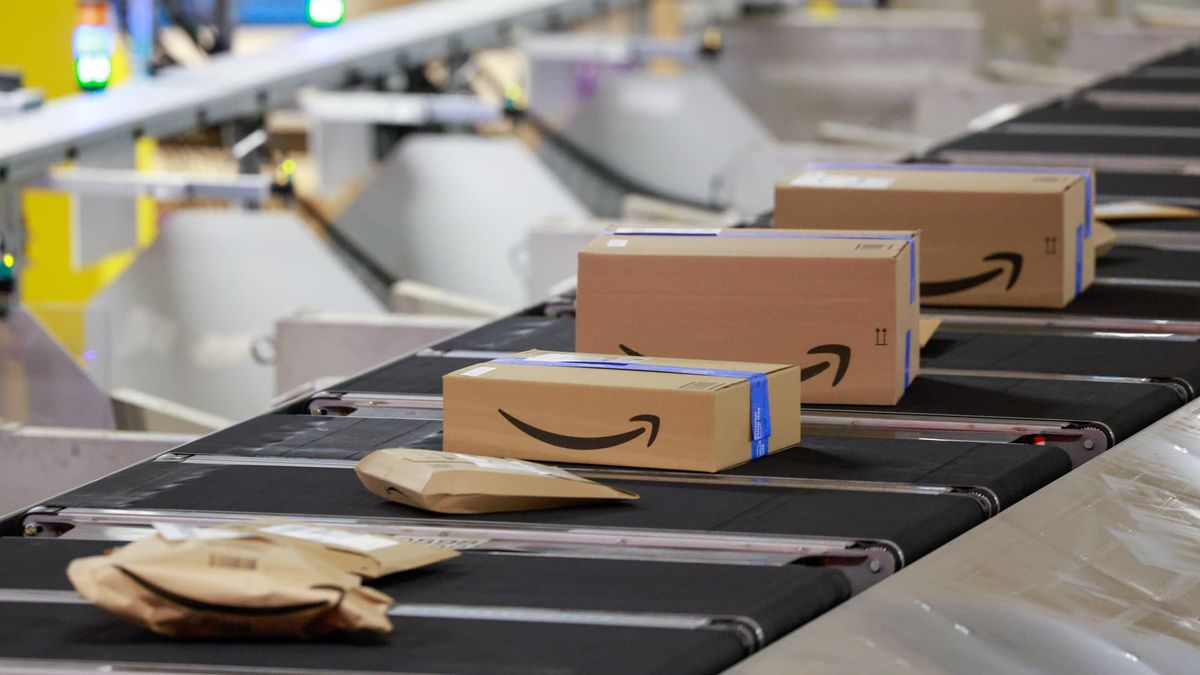
Tariffs affect e-commerce stocks by changing the cost of goods, the reliability of cross-border shipping and the prices shoppers see online. For platforms such as Amazon, Etsy, Shopify and eBay, the impact is often indirect: sellers, brands and logistics partners feel the first shock, but the platform may later see changes in demand, advertising spend, seller activity and margins.
The de minimis rule matters because it can make low-value international parcels cheaper and faster to deliver. When governments narrow or remove that treatment, the economics of direct-to-consumer imports can change quickly, especially for marketplaces built around low prices, small sellers or cross-border fulfilment.
What tariffs mean in online retail
A tariff is a tax on imported goods. It is usually paid by the importer of record when a product enters a country, though the economic burden can be shared across suppliers, sellers, logistics providers and consumers. In e-commerce, the same product may pass through several business models before reaching a shopper: a first-party retailer buying inventory, a third-party seller using a marketplace, a brand shipping from its own warehouse, or an overseas merchant sending parcels directly to consumers.
That structure is why tariff headlines can move e-commerce stocks even when the companies do not all import goods in the same way. A retailer that owns inventory has more direct exposure to landed costs. A marketplace may not own the goods, but it depends on sellers being able to offer attractive prices, keep stock available and spend on tools such as advertising, payments and fulfilment services.
For investors, the key point is that tariffs are not just a line item in customs paperwork. They can affect conversion rates, product mix, seller profitability, consumer sentiment and the perceived durability of a platform’s growth.
Why the de minimis rule is so important
De minimis treatment allows shipments below a certain value to enter a country with simplified customs handling and, in many cases, without ordinary duties. In the United States, the commonly cited threshold has been $800 per shipment, though eligibility and enforcement can depend on product type, country of origin and changing policy. Other countries have their own thresholds and rules.
This matters because modern cross-border e-commerce often involves many small parcels rather than a few large containers. A seller can ship a phone case, dress, craft supply or gadget directly to an individual customer. If that parcel qualifies for simplified entry, the total delivered cost may be lower and the customer experience may be smoother.
Platforms and merchants that rely on small, low-priced parcels can be particularly sensitive to changes in de minimis rules. If paperwork increases, delivery times lengthen or duties are applied more often, the seller may need to raise prices, change fulfilment locations, stop offering certain items or absorb lower margins.
De minimis policy also affects competition. Domestic retailers often argue that imported parcels should face similar tax and compliance burdens. Cross-border sellers argue that simplified rules support small businesses and consumer choice. Investors do not need to take a political view, but they do need to understand that rule changes can shift relative advantages across the sector.
How platforms feel the impact
Not all e-commerce companies have the same tariff exposure. The business model determines where the pressure shows up.
- First-party retail: A company that buys products and resells them may face direct increases in inventory costs. It can try to negotiate with suppliers, raise prices, switch sourcing, or accept lower gross margins.
- Third-party marketplaces: Platforms such as general marketplaces may not pay the tariff directly on every item, but their sellers may. If sellers raise prices or reduce assortment, the marketplace can see weaker order volumes or lower customer engagement.
- Seller-service platforms: Companies that provide storefront software, payments, shipping labels or marketing tools are exposed through merchant health. If merchants sell less or cut costs, platform revenue can slow.
- Handmade and niche marketplaces: Sites focused on unique goods can be affected by imported materials as well as finished products. A small seller may source beads, fabric, packaging or tools internationally even if the final product is made locally.
- Low-price cross-border marketplaces: Platforms built around direct shipping from overseas may be highly sensitive to parcel rules, customs processing and consumer tolerance for delays or added fees.
The second-order effects can be as important as the first. If higher landed costs push prices up, shoppers may trade down, delay discretionary purchases or compare more aggressively. That can reduce advertising return for sellers, which may lower the amount they are willing to spend on sponsored listings or platform marketing products.
Margins, pricing and supply chains
When tariffs rise or exemptions narrow, companies and sellers have several possible responses. None is painless, and the right answer depends on product category, brand strength, price sensitivity and operational flexibility.
- Pass costs to customers. This protects margin but can reduce demand, especially for discretionary or easily comparable goods.
- Absorb the cost. This can preserve sales volume but compress margins, which is difficult for small sellers with limited cash flow.
- Change suppliers or countries of origin. This may reduce tariff exposure but can introduce quality, capacity and timing risks.
- Move inventory closer to the customer. Domestic warehousing can improve delivery speed and reduce parcel-level uncertainty, but it requires capital and forecasting skill.
- Redesign products or bundles. Sellers may alter materials, packaging or shipment values, though compliance must be handled carefully.
Large companies usually have more options because they have scale, data and negotiating power. They can spread fixed compliance costs over more orders and invest in supply-chain changes. Smaller merchants may be more agile but less able to finance inventory, legal advice or new fulfilment arrangements.
For platforms, this creates a delicate balance. They want sellers to remain profitable enough to keep listing products and buying services, while shoppers expect competitive prices and reliable delivery. If too many sellers pull back, the marketplace can lose variety. If prices rise too much, demand can weaken.
What investors should watch
Tariff risk is hard to model precisely because policy can change, legal authority can be contested and companies rarely disclose product-by-product exposure. Still, investors can monitor several practical indicators in earnings reports and management commentary.
- Gross margin trends: For retailers that own inventory, sustained pressure may signal higher landed costs or discounting.
- Marketplace volume: Gross merchandise sales, order growth and active seller trends can show whether merchants and shoppers are adapting.
- Take rate: If a platform earns more per transaction through fees, ads or payments, weaker seller economics may eventually create tension.
- Advertising revenue: Seller ad spending is often tied to confidence in conversion and margins.
- Fulfilment commentary: More domestic warehousing, regional sourcing or logistics investment may suggest companies are trying to reduce cross-border friction.
- Discretionary categories: Apparel, home goods, crafts and gadgets can be more vulnerable when consumers become price sensitive.
Investors should also distinguish between temporary disruption and durable business-model change. A sudden tariff adjustment can create a short-term inventory and pricing shock. A permanent narrowing of de minimis treatment can force more structural changes in where goods are stored, how sellers price items and which merchants can compete.
Common mistakes to avoid
One common mistake is assuming that a tariff automatically hurts every e-commerce company equally. A platform with mostly domestic sellers may face different pressures from a low-cost import marketplace. A first-party retailer has different exposure from a software provider serving independent merchants.
Another mistake is focusing only on who writes the customs check. The legal payer is not always the same as the economic loser. Costs can be passed backward to suppliers, sideways to logistics partners or forward to consumers. The final effect depends on pricing power.
Investors should also avoid treating de minimis as a loophole that either exists or disappears in a simple way. Eligibility can vary by product, documentation, origin and enforcement. Compliance systems, customs brokers and fulfilment networks matter.
Finally, tariff relief does not automatically mean a company’s problems are solved. E-commerce performance also depends on consumer demand, competition, shipping speed, returns, advertising efficiency, product quality and management execution. Tariffs are one variable in a much larger retail equation.
Frequently asked questions
Do tariffs always lead to higher online prices?
No. Sellers may raise prices, absorb the cost, negotiate with suppliers or change sourcing. But if costs rise across a category and shoppers still want the goods, some of the tariff burden can show up in consumer prices.
Why do de minimis rules matter more for some platforms?
They matter most when a business depends on many small international parcels. If simplified entry becomes harder or more expensive, low-value direct shipments can lose part of their cost advantage.
Are handmade marketplaces affected by tariffs?
Yes, but the exposure may be indirect. A maker may import materials, tools or packaging even if the final item is handmade locally. Higher input costs can pressure margins or force price increases.
How should investors think about tariff headlines?
Use them as a prompt to examine business model exposure, not as a stand-alone trading signal. The important questions are who bears the cost, whether demand changes and how quickly the company or its sellers can adapt.
This article is for general information only and is not investment advice. Do your own research or consult a licensed adviser before making financial decisions.
Related articles
- China Shedding: Offshore Startup Structures Explained
- Heat Advisory: What It Means and How to Stay Safe
- Bitcoin Market Structure: Fragile Signals to Watch
Forrás: eredeti cikk