

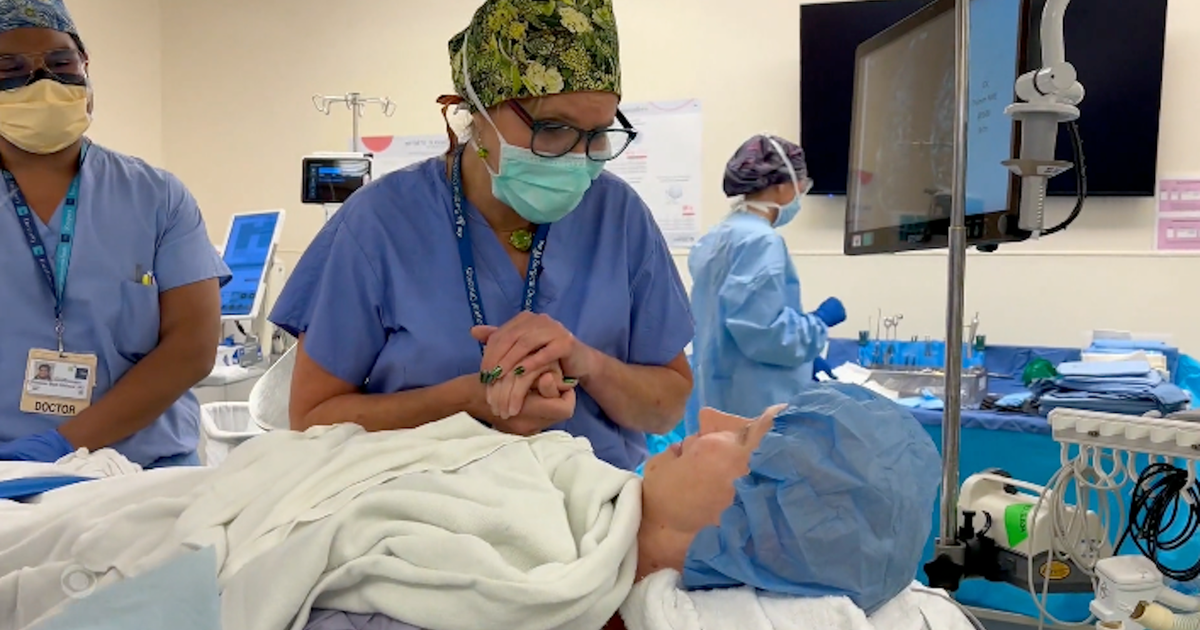
Some breast cancer surgeons use music, singing, calm conversation or small rituals to make the moments before surgery feel less frightening and more human. The point is not entertainment; it is to reduce anxiety, build trust and help patients feel seen before a major medical event.
For patients, families and anyone interested in healthcare, these techniques also show a larger shift in medicine: clinical skill matters, but so does the experience around the procedure. In breast cancer surgery, where fear, body image, uncertainty and complex decisions often collide, communication and comfort can shape how patients remember and cope with care.
Why anxiety is so common before breast cancer surgery
Breast cancer surgery is rarely just a technical appointment. Even when a procedure is routine for a hospital team, it may be one of the most emotionally loaded days of a patient’s life. A person may be thinking about cancer, anesthesia, pathology results, scarring, family responsibilities, work, insurance, fertility, identity and the possibility of more treatment.
Common procedures include lumpectomy, mastectomy, sentinel lymph node biopsy, axillary surgery and reconstruction-related operations. Each comes with its own decisions and trade-offs. Patients may also face unfamiliar medical language, changing plans and a sense that events are moving faster than they can process.
Anxiety before surgery can show up as sleeplessness, rapid breathing, tears, irritability, nausea, trouble concentrating or repeated questions. None of that means a patient is being difficult. It often means the patient is trying to regain control in a situation that feels high-stakes and unfamiliar.
This is where bedside manner becomes more than a nice extra. The way a surgical team speaks, listens and creates a calm environment can help a patient move from panic toward readiness.
How music and singing may help in the operating room
Music is one of the simplest comfort tools in healthcare because it is familiar, low-cost and emotionally direct. In some settings, a patient may hear calming music before anesthesia. In others, a surgeon, nurse or anesthesiologist may use a song, a lighthearted moment or a patient’s preferred playlist to reduce tension.
Singing by a surgeon is unusual enough to attract attention, but the underlying logic is straightforward. A song can interrupt the cycle of fear, slow the room down and signal warmth. It can also create a shared moment before the patient is asleep, reminding everyone present that the person on the table is not merely a case.
Music can work in several ways:
- Distraction: It gives the mind something concrete to focus on besides needles, monitors or uncertainty.
- Rhythm: Slow, steady sound can encourage slower breathing and a calmer posture.
- Familiarity: A favorite song can bring a patient back to ordinary life at a moment that feels anything but ordinary.
- Connection: Music can soften the emotional distance between clinician and patient.
That said, music is not a substitute for anesthesia, pain control, informed consent or careful surgery. It is a supportive layer. It should be used with the patient’s comfort and preferences in mind, not imposed because the clinician enjoys it.
Communication matters as much as the soundtrack
Comfort techniques work best when they are paired with clear communication. A calming song cannot fix confusion about the operation, nor should it distract from important questions. The best patient experience usually begins well before the operating room, when the surgeon explains what is planned, what could change and what recovery may involve.
Good pre-surgical communication often includes plain-language answers to questions such as:
- What operation is being done, and why is this approach recommended?
- What are the alternatives, including the option to wait if medically appropriate?
- What should the patient expect on the day of surgery?
- What will pain control look like after the procedure?
- When will pathology results be available, and who will explain them?
- What changes in sensation, appearance or arm movement are possible?
Patients are more likely to feel calm when they know what is happening and who is responsible for each step. For some, that means a detailed explanation. For others, too much detail can increase distress, so they may prefer a simple overview with an opportunity to ask more later.
Clinicians can also reduce anxiety by acknowledging emotion directly. A sentence such as “It makes sense that you are scared” can be more helpful than quick reassurance. Patients usually do not need a performance of confidence; they need honesty, competence and compassion in the same room.
Other comfort techniques used before surgery
Music is only one part of a broader set of patient-centered practices. Hospitals and surgery centers may use different methods depending on staffing, culture, procedure type and safety rules. Many techniques are simple, but they require attention and consistency.
- Preoperative education: Written instructions, phone calls and nurse-led teaching can reduce uncertainty about fasting, medications, arrival times and recovery.
- Warm introductions: Meeting the surgeon, anesthesiology team and nurses before the operation helps patients understand who is caring for them.
- Breathing exercises: Guided breathing can help patients manage the physical symptoms of anxiety while waiting.
- Choice where possible: Letting a patient choose music, bring a small approved comfort item or decide who accompanies them before surgery can restore a sense of agency.
- Respectful privacy: Breast surgery can feel physically and emotionally exposing. Clear draping, modesty practices and consent before touching matter.
- Trauma-informed care: Staff can explain each step, ask permission when appropriate and avoid dismissive language.
For breast cancer patients, comfort may also include sensitivity around body image and identity. Some patients want direct discussion of scars and reconstruction. Others need time before they can talk about appearance. A patient-centered team does not assume everyone feels the same way about breasts, femininity, sexuality or reconstruction.
What patients should ask before breast cancer surgery
Patients do not have to wait passively and hope the hospital environment will feel supportive. They can ask practical questions before the day of surgery, ideally at a preoperative visit or through the care team’s usual communication channel.
Helpful questions include:
- Can I listen to music before I go under anesthesia?
- May I bring headphones, or does the facility provide music?
- Who will be with me before surgery, and when will I see my surgeon?
- What should I do if I feel panicked on the day of the operation?
- Can a family member or friend stay with me until I am taken back?
- How will pain, nausea and anxiety be managed?
- Who should my family contact for updates?
Patients should also tell the team about hearing difficulties, sensory sensitivities, previous traumatic medical experiences, panic attacks, claustrophobia or concerns about anesthesia. These details can help clinicians adapt the environment and avoid preventable distress.
It is also reasonable to say what does not help. Some patients dislike jokes in medical settings. Others find music distracting or prefer silence. Comfort care is not one-size-fits-all; the patient’s preferences should guide it whenever safety allows.
Risks, limits and common mistakes
Comfort techniques can improve the experience of care, but they have limits. The main risk is treating them as decoration while ignoring deeper issues: rushed consent, poor coordination, unclear instructions or inadequate pain control. A warm personality cannot replace a safe system.
Another mistake is assuming that a famous, charismatic or unusually personal surgeon is automatically the best technical choice. Patients should consider experience with the specific procedure, hospital resources, communication style and whether the care team answers questions clearly. Kindness and skill should reinforce each other, not compete.
There are also privacy and professionalism boundaries. Music or singing should never embarrass a patient, delay urgent care or turn a vulnerable moment into content. If a patient is uncomfortable, the team should stop. The patient’s dignity is more important than the clinician’s preferred ritual.
For healthcare organizations, the lesson is broader. Patient experience is not only about nicer waiting rooms or scripted greetings. It is about designing care so people understand what is happening, feel respected and receive consistent support from diagnosis through recovery.
Why this matters beyond one operating room
The image of a breast cancer surgeon singing to a patient is memorable because it challenges the idea that high-tech medicine must be emotionally cold. Modern cancer care can involve advanced imaging, pathology, genomics, reconstructive techniques and complex drug regimens, but patients still experience it through human interactions.
For readers watching the healthcare sector, this is part of a larger trend toward patient-centered care. Hospitals, insurers, clinicians and health technology companies increasingly pay attention to navigation, communication, remote monitoring, digital education and supportive services. These tools do not replace surgeons or nurses, but they can reduce friction around care.
For patients and families, the practical takeaway is simple: it is appropriate to care about how medicine feels, not only what medicine does. A good surgical plan should be technically sound, clearly explained and delivered in a way that preserves the patient’s dignity.
Frequently asked questions
Can music before surgery really reduce anxiety?
Music can help some patients feel calmer by offering distraction, familiarity and a sense of control. It is not a medical treatment by itself, but it can be a useful support when combined with clear communication and proper clinical care.
Should I ask my surgeon to play music during breast cancer surgery?
You can ask what is allowed before anesthesia and whether you may choose music while you are awake. Policies vary, and the surgical team must prioritize safety, communication and sterile procedures.
What if I do not want singing, music or small talk?
Say so. Patient-centered care includes respecting a preference for quiet, minimal conversation or a more private emotional style. Comfort techniques should be tailored to the patient, not imposed.
What matters most when choosing a breast cancer surgeon?
Important factors include experience with your type of surgery, clear explanations, coordination with oncology and reconstruction teams, responsiveness to questions and a respectful approach. Comfort and communication matter, but they should accompany strong clinical care.
This article is for general information only and is not investment advice. Do your own research or consult a licensed adviser before making financial decisions.
Related articles
- Bitcoin Market Structure: Fragile Signals to Watch
- Why NHL Players Are Returning to the Olympics
- Suzlon Orders and Wind Contracts Explained
Forrás: eredeti cikk