

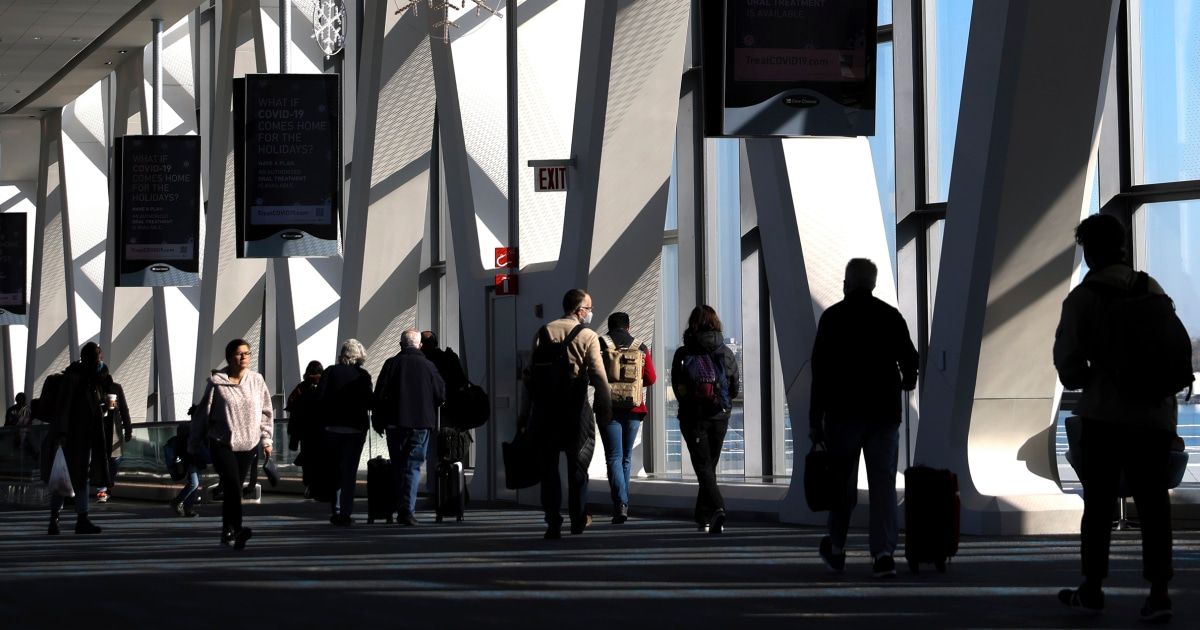
Thanksgiving travelers leave earlier because the holiday creates a short, predictable rush, and many people are trying to avoid the same crowded airports, highways and high fares at the same time. Remote work, flexible school schedules and airline pricing have stretched the Thanksgiving trip from a long weekend into a wider travel window.
For travelers, that can mean less stress if they plan carefully. For investors and business readers, the shift matters because it changes when demand hits airlines, hotels, rental car companies, restaurants, fuel sellers and local services.
Why Thanksgiving travel gets crowded
Thanksgiving is one of the most compressed travel periods in the United States. Unlike summer holidays, which can be spread across many weeks, Thanksgiving is tied to a single Thursday. Many families also treat the meal itself as the anchor of the trip, which concentrates departures before the holiday and returns soon after it.
The traditional pressure points are the Tuesday and Wednesday before Thanksgiving, plus the Sunday after. Those days are popular because they fit school calendars, work schedules and family expectations. A traveler can leave after work or school, attend the holiday meal, and return before the next workweek.
That convenience is exactly what makes those days difficult. Airports face longer security lines, fuller parking lots and more crowded terminals. Highways can slow near major cities, shopping areas, toll plazas and weather trouble spots. A small delay can cascade because so many people are trying to move at once.
Why more travelers now leave earlier
The biggest change is flexibility. Many office workers no longer need to be physically present every day before a holiday. If a traveler can work from a relative’s house on Monday, Tuesday or the Friday after Thanksgiving, the trip no longer has to fit into a narrow Wednesday-to-Sunday window.
This blending of work and leisure is sometimes called a bleisure trip. Around Thanksgiving, it often looks simple: arrive a few days early, work remotely during normal business hours, then shift into family time. On the return, some travelers stay through the weekend and work remotely from the destination before heading home on a quieter day.
School calendars also matter. Some districts and universities give a full week or partial week off, while others do not. Families with children may still face a fixed window, but college students, retirees, remote workers and people without school-age children often have more room to choose.
Leaving earlier is not only about comfort. It can be a financial decision. Flights and lodging prices tend to rise when many people want the same seats or rooms. Shifting by even a day can sometimes open more options, although it is not guaranteed. Airlines use complex revenue-management systems, and prices can change based on demand, route, booking timing and available seats.
How airfare pricing spreads out the rush
Airlines do not price Thanksgiving flights as a flat holiday surcharge. They manage seats across routes, days and departure times. A nonstop flight at a convenient hour on a peak day may be expensive because many travelers prefer it. A connection, an early-morning departure or a flight on a less popular day may be cheaper because demand is lower.
This pricing encourages some travelers to spread out. If the Wednesday evening flight is costly or nearly full, a Monday flight may look more attractive. If the Sunday return is crowded, a Saturday or Monday return may offer a better schedule or fare. The result is a wider travel season around Thanksgiving rather than one single surge.
Airline capacity also affects the experience. Carriers may adjust schedules, use larger aircraft on some routes or trim flights that are hard to operate profitably. A traveler may see plenty of seats on one city pair and limited choices on another. That is why broad national travel forecasts are useful for context but less important than the conditions on your own route.
For investors, Thanksgiving travel is a reminder that demand is only one side of the airline business. Operational reliability, staffing, aircraft availability, fuel costs, weather disruption and air traffic constraints all influence results. A full plane is not automatically a high-margin plane if costs rise or delays create expensive knock-on effects.
What to watch if you are flying
A smoother Thanksgiving flight starts before you reach the airport. The key is to reduce avoidable friction: uncertain parking, overweight bags, tight connections, missing documents and last-minute packing decisions.
- Book with the whole trip in mind. The cheapest fare may not be the best value if it creates a risky connection or arrives too late for family plans.
- Consider flying earlier in the day. Morning flights can be less exposed to delays that build up as the day progresses, though weather can disrupt any schedule.
- Leave more time than usual. Holiday airport traffic affects parking, check-in counters, security lines, food concessions and rideshare pickup areas.
- Check baggage rules before packing. Fees, size limits and carry-on policies vary by airline and fare type.
- Keep essentials with you. Medication, chargers, identification, keys and a change of clothes should not be inaccessible if a checked bag is delayed.
- Know the food rules. Solid foods are generally easier to carry through airport security than liquids, gels and spreads. Gravy, sauces, soups and similar items may need to follow the standard 3.4-ounce carry-on liquid limit or go in checked baggage.
International travelers need an extra step. Food rules can be stricter when crossing borders, and some agricultural products may be restricted or require declaration. If you are bringing holiday food internationally, check the rules before you pack rather than arguing at the checkpoint.
What to watch if you are driving
Most Thanksgiving trips are still road trips. Driving can be cheaper and more flexible than flying, especially for families or people carrying food, gifts and pets. But the flexibility can create false confidence. Road delays can be just as stressful as airport delays if a traveler leaves at the same time as everyone else.
Traffic is often worst near large metro areas, popular interstate corridors and weather-affected regions. The most difficult periods are usually when normal commuter traffic overlaps with holiday departures. Leaving very early, later in the evening or on a less popular day can help, but local conditions matter.
- Prepare the vehicle. Check tires, lights, wipers, fluids and fuel or charging plans before the trip.
- Pack for delays. Bring water, snacks, warm clothing, phone chargers, basic first-aid supplies and any necessary medication.
- Build in rest stops. Fatigue is a real risk on long holiday drives, especially after work or late at night.
- Do not rely on one route. Have a backup plan in case of crashes, road work, weather or closures.
- Separate celebrating from driving. Plan sober transportation if alcohol is part of the holiday.
Electric vehicle drivers should plan charging more carefully than usual. Popular fast-charging sites may be busier during holiday periods, and cold weather can affect range. A conservative charging plan is less stressful than arriving at a crowded charger with little battery left.
Common mistakes that make Thanksgiving trips harder
The first mistake is choosing flights or drive times only by habit. If you always travel Wednesday evening and return Sunday afternoon, you may be selecting the busiest window by default. A calendar check may reveal that leaving earlier or returning later is possible.
The second mistake is booking a tight itinerary to save money. A short connection, late arrival or nonrefundable reservation can become expensive if weather or operational problems intervene. Flexibility has value, even when it is hard to compare directly with a lower fare.
The third mistake is underestimating the first and last mile. Airport parking, rental car counters, hotel check-in lines and rideshare waits can all take longer during peak periods. A flight may be on time while the surrounding logistics still create stress.
The fourth mistake is ignoring the needs of the group. A solo traveler may tolerate a dawn departure, a long layover or a budget hotel. Families with small children, older relatives or travelers with medical needs may need more buffer, not less.
Finally, travelers sometimes treat forecasts as guarantees. A forecast can indicate whether the season may be busy, but it cannot tell you exactly what will happen at your airport, on your highway or in your household. The best plan is specific, flexible and honest about trade-offs.
Frequently asked questions
What are the best and worst days to travel during Thanksgiving?
The busiest days are usually the Tuesday and Wednesday before Thanksgiving and the Sunday after. Better options often include leaving earlier in the week, traveling on Thanksgiving Day itself if your plans allow, or returning on Friday, Saturday or Monday. The best choice depends on your route, budget and how much schedule flexibility you have.
Can I take Thanksgiving leftovers through TSA?
Many solid foods can go through airport security in carry-on bags, but liquids, gels and spreadable foods are subject to the standard carry-on liquid limit. Items such as gravy, cranberry sauce, soups and creamy dishes may be easier to pack in checked luggage. For international trips, check customs and agriculture rules before bringing food across a border.
What are important Thanksgiving travel safety tips?
For drivers, inspect the car, plan rest stops, watch the weather and avoid impaired or drowsy driving. For flyers, arrive early, keep essential items in your carry-on and monitor flight updates. For everyone, build in extra time and have a backup plan for delays.
Are fewer people traveling for Thanksgiving?
Thanksgiving travel levels vary from year to year with the economy, airfares, fuel prices, weather and consumer confidence. Instead of assuming the holiday will be quiet, plan as if airports and highways will be busy. Even when total travel is not at a record, peak routes and peak times can still feel crowded.
This article is for general information only and is not investment advice. Do your own research or consult a licensed adviser before making financial decisions.
Related articles
- 36 Hours in Wellington: A Compact City Guide
- How to Fly With a Pet Safely
- Why NHL Players Are Returning to the Olympics
Forrás: eredeti cikk