

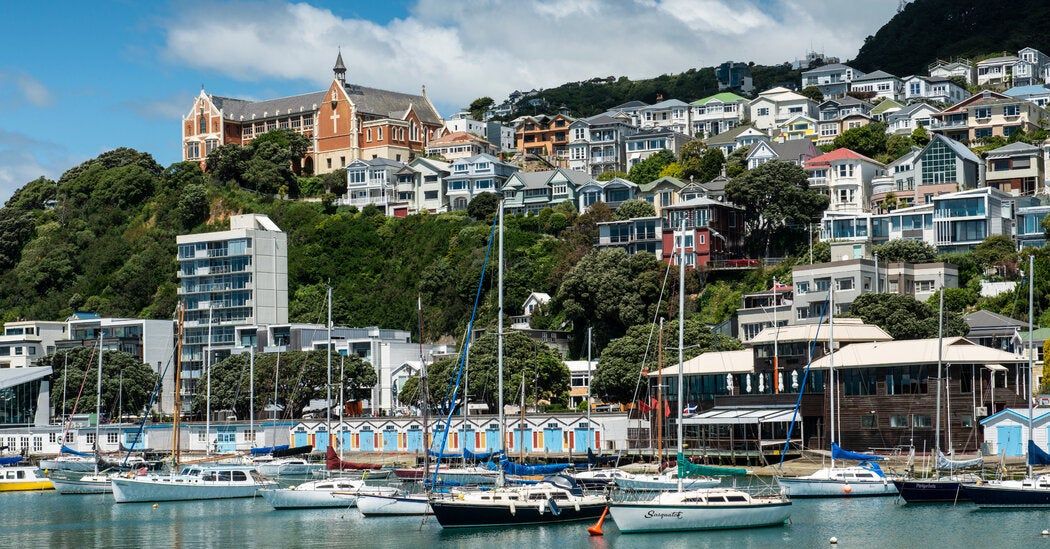
Wellington is one of the easiest New Zealand cities to enjoy in a short visit because its best views, museums, harbour walks, dining streets and nature stops sit close together. In 36 hours, focus on the waterfront, the central hills, Cuba Street dining and one signature outdoor escape such as Zealandia or the south coast.
How to think about a short Wellington stay
Wellington rewards visitors who plan around geography rather than a long checklist. The city centre is squeezed between harbour and hills, which makes it compact, scenic and occasionally steep. A good 36-hour itinerary should mix walking, one or two viewpoints, a museum stop, relaxed meals and a weather-proof backup.
The main decision is whether to make the trip city-focused or nature-focused. If it is your first time, stay central and use the waterfront as your spine. If you have already seen the museums or want a greener visit, make room for Zealandia, the Botanic Garden, Mount Victoria, or the rugged bays beyond the city.
Wellington is also a place where weather matters. Wind, rain and sudden sun can all shape the day. Keep the plan flexible: do the outdoor viewpoint when the sky is clear, save museums and cafés for a wet spell, and avoid packing the itinerary so tightly that one gusty afternoon ruins it.
Day one: waterfront, Te Papa and Cuba Street
Start at the waterfront, especially if you are arriving by ferry, train or from a central hotel. The harbour edge gives you an immediate sense of Wellington: working port, public art, cafés, runners, sea views and green hills in the background. It is a gentle way to orient yourself without committing to a formal tour.
Make the Museum of New Zealand Te Papa Tongarewa your anchor stop. Te Papa is useful on a short trip because it combines national history, Māori culture, natural history and contemporary exhibitions in one central building. You do not need to see everything. Pick a few galleries and leave before museum fatigue sets in.
After the museum, walk toward Civic Square, the laneways and Cuba Street. Cuba Street is the city’s most recognisable dining and people-watching strip, with cafés, bars, casual restaurants and independent shops. It is a good area for dinner because you can adjust the plan to your budget and mood, from a quick plate to a slower meal.
If you still have energy after dinner, take a short evening walk along the waterfront or around Courtenay Place. Wellington’s centre is compact enough that a post-dinner wander can add atmosphere without requiring another attraction. If the weather is poor, make the evening about a cosy bar, dessert stop or cinema instead.
Day two morning: a classic view from the hills
Use the morning for a viewpoint, because clear weather is never guaranteed later. The most famous easy option is the Wellington Cable Car from the central city up to Kelburn. At the top, you get a classic view over the harbour, city and surrounding hills, plus easy access to the Botanic Garden.
From Kelburn, you can wander downhill through the Botanic Garden back toward the city. This makes the viewpoint feel like part of a walk rather than a single photo stop. It is also a good choice for travellers who want greenery without leaving the central area.
Another strong option is Mount Victoria, which gives a broad panorama of the harbour, airport, city and surrounding suburbs. The lookout can be reached by walking, public transport, taxi or rideshare depending on time and fitness. If you are choosing between Kelburn and Mount Victoria, Kelburn pairs better with the cable car and garden, while Mount Victoria feels more like a big-picture city view.
Do not underestimate the hills. Wellington looks small on a map, but some walks climb quickly. Wear comfortable shoes, carry a layer, and do not plan a steep walk immediately before a fixed lunch booking unless you know your pace.
Choose one nature or wildlife stop
For many visitors, the best half-day nature choice is Zealandia, the fenced eco-sanctuary just outside the central city. It is known for native birdlife and restoration work, and it offers a rare chance to experience New Zealand wildlife close to town. It suits travellers who want more than a city stroll but do not have time for a full day trip.
If you choose Zealandia, give it enough time to walk slowly and listen. Rushing a sanctuary visit misses the point. Bird sightings are not guaranteed on command, so treat the experience as a mix of forest, conservation story and quiet observation.
If you prefer coastal scenery, head south toward the bays, beaches and exposed shoreline around Wellington’s outer edge. This is the side of the city where you feel its position between harbour, Cook Strait and weather. It is rewarding in good conditions, but it can be blustery, so check the forecast and avoid making it your only must-do plan.
For a low-effort green break, the Botanic Garden is the easiest nature stop. It works well when time is tight, transport is limited or the weather is changeable. It will not feel as wild as Zealandia or the coast, but it fits neatly into a 36-hour visit.
Where to eat and drink in Wellington
Wellington’s food scene is one of the main reasons to avoid over-scheduling. Leave room for coffee, a casual lunch and at least one unhurried dinner. The city is especially good for visitors who like independent cafés, craft-focused bars, compact dining rooms and menus that do not require a formal occasion.
Use neighbourhoods rather than a single famous venue as your guide. Cuba Street and its side streets are the obvious first stop for variety. The waterfront suits a scenic drink or relaxed meal, especially when the weather is settled. Courtenay Place and nearby laneways work for later evenings, while Thorndon and Kelburn can fit around the Botanic Garden or parliament area.
Common short-trip food mistakes include booking every meal too tightly, choosing somewhere far from the day’s route, or assuming the best experience must be the most expensive one. In Wellington, a memorable stop might be coffee between walks, a bakery lunch, or a simple dinner after a windy day outside.
- For a first dinner: choose Cuba Street or nearby laneways for range and atmosphere.
- For a scenic pause: look to the waterfront when the weather is calm.
- For coffee: plan it as part of the morning route rather than a separate mission.
- For flexibility: keep at least one meal unbooked so you can follow the weather and your appetite.
Practical itinerary and what to avoid
A simple 36-hour plan might look like this: waterfront arrival walk, Te Papa, Cuba Street dinner, morning cable car or Mount Victoria, then Zealandia or the south coast before a final central meal. That gives you a clear structure without turning the visit into a race.
If you only have 24 hours in Wellington, cut the plan down to the waterfront, Te Papa, one viewpoint and one good meal. If you have 48 hours, add parliament and Old Government Buildings, a longer coastal outing, more time in the Botanic Garden, or a slower neighbourhood food crawl. The difference between a rushed visit and a satisfying one is usually restraint.
Transport is manageable for most central sights, but not every attraction is best reached on foot. Use public transport, taxis or rideshare when a climb or cross-town transfer would steal time from the experience itself. If you rent a car, remember that central parking and narrow streets can make driving less relaxing than expected.
The biggest mistake is treating Wellington as merely a transit point between the North and South Islands. It works well as a pause precisely because it is compact: you can see art, harbour, hills, native bush and a strong dining scene without spending your whole visit in transit.
Frequently asked questions
Is 36 hours enough for Wellington?
Yes, 36 hours is enough for a strong first impression if you stay focused. Prioritise the waterfront, Te Papa, one major viewpoint, one dining area and one nature stop instead of trying to cover every suburb.
What is the best viewpoint in Wellington for a short visit?
The cable car and Kelburn lookout are the easiest classic choice, especially when paired with the Botanic Garden. Mount Victoria offers a wider panorama and is a better pick if you want a more dramatic hilltop view.
Should I choose Zealandia or the south coast?
Choose Zealandia if native birds, forest and conservation interest you. Choose the south coast if you want wilder sea views and do not mind weather exposure. With only 36 hours, it is usually better to do one well than rush both.
Do I need a car for a short Wellington trip?
No, not for a central 36-hour stay. Many highlights are walkable or reachable by public transport, taxi or rideshare. A car can help for coastal detours, but it is not essential for the core city itinerary.
This article is for general information only and is not investment advice. Do your own research or consult a licensed adviser before making financial decisions.
Related articles
- India VIX: How Traders Read Volatility
- Why the Red Sea Route Matters to Global Trade
- What Is Intraday Trading?
Forrás: eredeti cikk