
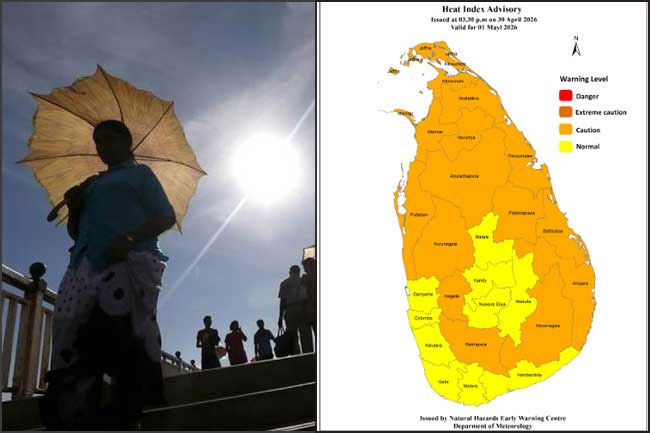
A heat advisory means local weather officials expect hot and humid conditions that can make outdoor activity risky, especially during the hottest part of the day. It is not just a forecast for a high temperature; it is a warning that the body may struggle to cool itself if people work, exercise or remain in the sun too long.
For readers, a heat advisory is a practical signal to change plans, not a reason to panic. Hydration, shade, lighter schedules and checking on vulnerable people can prevent many heat-related illnesses.
What a heat advisory means
A heat advisory is issued when forecast conditions are expected to create a level of heat stress that may affect health. The exact thresholds vary by country, region and weather agency, because people in different climates are acclimatised to different levels of heat. A temperature that is routine in one place may be hazardous in another if homes, workplaces or public transport are not designed for it.
Advisories are usually below the most severe categories, such as an extreme heat warning, but they still deserve attention. The message is simple: prolonged sun exposure, strenuous work and poorly ventilated indoor spaces can become unsafe. Heat illness can develop gradually, so waiting until someone feels seriously unwell is a common mistake.
Heat advisories often refer to daytime conditions, because direct sun, hot surfaces and physical activity raise the strain on the body. Nights matter too. If temperatures remain high overnight, the body has less chance to recover, and the risk can accumulate over several days.
How the heat index is calculated
The heat index describes how hot conditions feel to the human body when air temperature and relative humidity are combined. Humidity matters because sweating is the body’s main cooling system. When the air is humid, sweat evaporates more slowly, and the body loses heat less efficiently.
In simple terms, a humid day at the same air temperature can feel much hotter than a dry day. The heat index is usually calculated using maximum temperature and relative humidity, though different meteorological services may adapt their methods or warning categories to local conditions. Wind, cloud cover, direct sun and clothing can also change a person’s real-world experience.
It is important to understand what the heat index is not. It is not the temperature of the pavement, a vehicle interior or a metal roof. Those surfaces can become much hotter than the official air temperature. It is also not a personal medical reading; age, health, medication, fitness, workload and access to cooling all affect individual risk.
Who is most at risk in hot weather
Heat can affect anyone, including fit adults, but some groups face higher risk. People who work outdoors, exercise in the sun, live in poorly ventilated housing or lack reliable access to water and cooling should treat advisories seriously.
- Older adults and young children: They may regulate body temperature less effectively and may not always recognise symptoms early.
- People with chronic health conditions: Heart, kidney, respiratory and metabolic conditions can make heat harder to tolerate.
- People taking certain medicines: Some medicines can affect sweating, fluid balance or sensitivity to heat. A pharmacist or doctor can explain individual risks.
- Outdoor workers: Construction, farming, delivery, transport and security work can involve long exposure with limited shade.
- Athletes and active commuters: Exercise raises body heat, and humidity makes cooling slower.
- People living alone: Heat illness may worsen before anyone notices, especially if communication is limited.
Urban areas may feel hotter because buildings and roads absorb heat. Power cuts, crowded housing and limited green space can make a heat advisory more serious even when the official temperature does not look extreme.
Practical steps to stay safe
The best heat plan is boring and early: reduce heat exposure before symptoms appear. Small changes can make a large difference, especially for people who cannot avoid outdoor work entirely.
- Drink water regularly. Do not wait until you feel very thirsty. People doing heavy work may need more frequent breaks and fluids.
- Shift strenuous tasks. Plan outdoor work, errands and exercise for early morning or evening when possible.
- Use shade and ventilation. Take breaks in shaded, air-conditioned or well-ventilated places. A fan can help in moderate heat, but it is not a substitute for cooling when conditions are dangerously hot.
- Wear suitable clothing. Loose, lightweight and light-coloured clothing helps the body release heat. A hat and sunscreen reduce sun exposure.
- Check on others. Call or visit older relatives, neighbours and people who live alone. Make sure they have water, cooling and a way to ask for help.
- Never leave people or pets in parked vehicles. Vehicle interiors can heat rapidly, even when windows are partly open.
For workers and employers, heat safety should be planned, not improvised. Rest breaks, shaded areas, drinking water, buddy systems and gradual acclimatisation for new or returning workers are basic controls. For households, a simple plan can include identifying the coolest room, preparing water, charging phones and knowing where to go if indoor heat becomes unbearable.
Symptoms of heat illness to watch
Heat-related illness can range from uncomfortable to life-threatening. Early signs may include heavy sweating, tiredness, headache, dizziness, muscle cramps, nausea or feeling faint. These symptoms are a signal to stop activity, move to a cooler place, loosen clothing and drink water if the person is alert and able to swallow.
Heat exhaustion is more serious and may involve weakness, clammy skin, rapid pulse, vomiting or confusion. Heat stroke is a medical emergency. Warning signs can include very high body temperature, altered mental state, fainting, seizures or hot skin. If heat stroke is suspected, seek emergency medical help immediately and start cooling the person while waiting for assistance.
Cooling actions can include moving the person out of the sun, applying cool wet cloths, fanning, removing excess clothing and using ice packs at the neck, armpits or groin if available. Do not give fluids to someone who is unconscious, confused or unable to swallow safely.
Common mistakes during a heat advisory
One common mistake is focusing only on the thermometer. Humidity, direct sun, workload and overnight heat all matter. Another is assuming that short exposure is harmless. Heat stress can build quickly during a midday commute, a sports practice or a few hours of yard work.
Many people also overestimate the protection offered by fans. Fans help sweat evaporate and can make a room feel more comfortable, but in very hot indoor conditions they may not prevent overheating. Cooling the body directly with showers, damp cloths or time in an air-conditioned public space may be more effective.
Alcohol-heavy drinking is another risk because it can impair judgment and contribute to dehydration. Sugary or caffeinated drinks are not automatically forbidden for everyone, but plain water is usually the simplest option for routine hydration. People with medical restrictions on fluids should follow professional advice rather than general tips.
Finally, do not treat a heat advisory as only an outdoor problem. Kitchens, factories, warehouses, buses and homes without good airflow can become hazardous. If an indoor space feels hotter than outside, look for ways to ventilate, reduce heat sources or relocate temporarily.
Frequently asked questions
What are the best safety tips for extremely hot weather?
Drink water regularly, avoid strenuous activity during peak heat, stay in shade or cooled spaces, wear loose light clothing and check on people who may need help. If symptoms such as dizziness, cramps, confusion or fainting appear, stop activity and cool down immediately.
Which drink removes heat from the body?
No drink magically removes heat, but water supports the body’s natural cooling process through sweating and circulation. Oral rehydration drinks can help after heavy sweating, while people with medical conditions should follow their clinician’s advice on fluids and salts.
What is the number one weather-related cause of death in the United States?
U.S. weather agencies commonly identify extreme heat as one of the deadliest weather hazards. Rankings can vary by period and method, but the practical lesson is consistent: heat should be treated as a serious health risk, not merely an inconvenience.
What states or regions will be affected by a heat wave?
Heat waves are location-specific and change with the forecast. Check your national or local meteorological service for current advisories by state, province, district or city, and pay attention to local instructions because thresholds differ by region.
This article is for general information only and is not investment advice. Do your own research or consult a licensed adviser before making financial decisions.
Related articles
- How Sri Lanka’s Music Video Awards Work
- Ethereum Exchange Reserves Explained
- Bitcoin Market Structure: Fragile Signals to Watch
Forrás: eredeti cikk