
Flying with a pet is safest when you treat the animal as a traveler with its own documents, space and security process, not as luggage. In most cases, you must remove your pet from its carrier at airport security, send the empty carrier through the X-ray machine, and carry or walk the animal through screening as instructed.
The details vary by airline, destination and animal type, so the most important step is to check the rules before you book. A calm trip starts with the right carrier, a realistic plan for security, and a backup option if your pet is anxious, too large for the cabin or not fit to fly.
Check airline rules before you book
Airlines set their own pet policies, and those rules can differ even on similar routes. Many carriers allow small cats and dogs in the cabin if they fit in an approved carrier that can go under the seat. Larger pets may need to travel as checked pets or cargo, where offered, and some airlines do not accept certain animals, breeds or routes at all.
Do not assume that a pet-friendly airline on one trip will accept the same animal on another. Aircraft type, seat layout, destination rules, season, connection time and local restrictions can all affect whether a pet is allowed. Some flights have limited space for in-cabin pets, so travelers usually need to reserve a pet spot in advance rather than simply arriving at the airport.
Key questions to ask the airline include:
- Is my pet allowed in the cabin? Confirm species, size, age and carrier requirements.
- Does the carrier count as my carry-on? Many airlines treat the pet carrier as one of your onboard items.
- Are there breed or health restrictions? Short-nosed dogs and cats may face extra limits because they can be more vulnerable to breathing and heat stress.
- What fees and documents are required? Domestic and international rules can differ significantly.
- What happens during connections? A pet policy may not be the same across partner airlines.
If your animal is a trained service animal, the rules are different from those for pets. Emotional support animals are not treated the same as service animals by many airlines. If you rely on a service animal, review the carrier’s documentation and behavior requirements well before travel.
How airport security works with pets
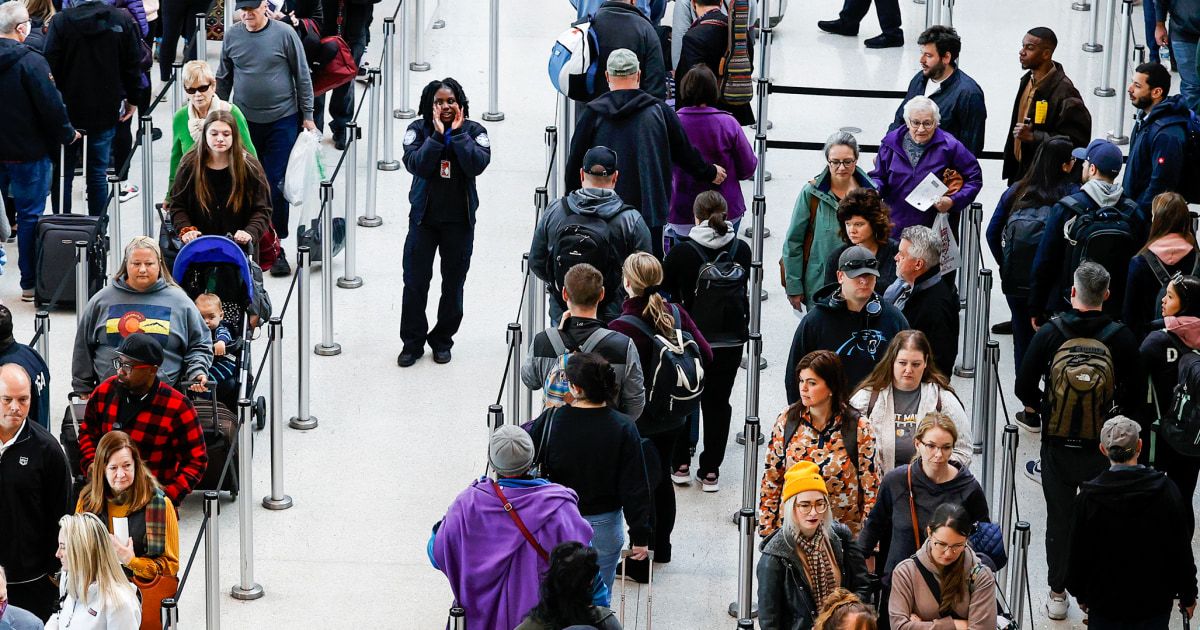
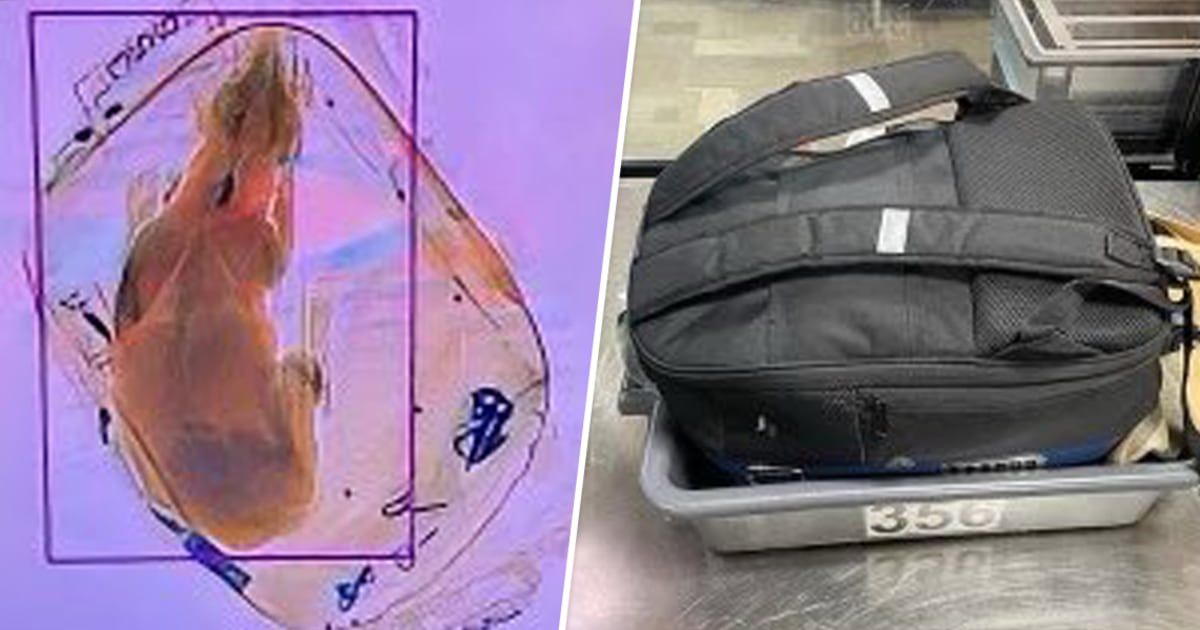
At a standard airport security checkpoint, the carrier is screened like a bag, but the pet should not go through the X-ray machine. Remove the animal from the carrier before the carrier enters the machine. Then carry the pet or walk it on a leash through the screening area, following the officers’ instructions.
For many travelers, the tricky moment is opening the carrier in a loud, crowded checkpoint. A frightened cat or dog may try to jump, twist or run. That is why a collar, harness and leash matter even if the pet normally stays inside the carrier. You want control before the zipper opens.
A simple screening routine can reduce risk:
- Before entering the line, make sure the pet has a secure collar or harness and leash.
- Remove metal items from the carrier pockets and keep documents easy to reach.
- At the belt, take the pet out before placing the empty carrier on the conveyor.
- Hold the pet securely or keep it on a short leash while you pass through screening.
- After screening, move to a calmer area before putting the pet back in the carrier.
If you are worried your pet may escape, ask for help before you open the carrier. Security staff may be able to arrange alternative screening or direct you to a more controlled process. It is better to ask early than to struggle at the belt while other passengers are moving around you.
Choose the right carrier and pack carefully
The carrier is your pet’s seat, safe space and travel boundary. For cabin travel, it usually needs to fit under the seat in front of you while allowing the animal to sit, turn and lie down in a natural position. Soft-sided carriers are common for in-cabin travel because they can flex slightly, but the exact size and construction rules are set by the airline.
Introduce the carrier well before the trip. Let your pet explore it at home with treats, a familiar blanket or short practice sessions. A carrier that appears only on travel day can become a stress signal. The goal is for the animal to see it as a den, not a trap.
Pack lightly but deliberately. Useful items often include absorbent pads, a small amount of food, treats, waste bags, a collapsible water bowl, medication if prescribed, and copies of vaccination or health records if required. Avoid overstuffing the carrier; ventilation and comfort matter more than squeezing in accessories.
Label the carrier with your name and contact details. Inside, consider including a small card with the pet’s name, feeding notes and any medical concerns. Identification on the pet itself is also important. A microchip and an external tag are not substitutes for supervision, but they can help if a pet gets separated from you.
Managing anxious pets at the airport
Airports are hard environments for animals: bright lights, rolling bags, announcements, unfamiliar smells and long waits. Anxiety is not a minor issue, because a panicked pet is more likely to bite, bolt, soil the carrier or overheat. Planning for temperament is as important as meeting paperwork requirements.
Start with a realistic assessment. If your pet becomes distressed in a car, at the vet or around strangers, a busy airport may be overwhelming. Talk to your veterinarian before flying, especially if the animal is older, very young, pregnant, ill, short-nosed or has a heart or breathing condition. Sedation is not something to improvise; it can create safety issues and should only be considered under veterinary guidance.
Practical steps can help. Exercise your dog before leaving for the airport if appropriate. Use pet relief areas when available. Keep your voice calm, avoid repeatedly opening the carrier, and place the carrier where it will not be kicked by passing passengers. For cats, a secure harness under the carrier routine can provide an extra layer of protection during screening.
The “3-3-3 rule” is often discussed in pet adoption, not as an airline rule. It is a general idea that a newly adopted pet may need time to decompress over the first days, weeks and months in a new home. If you recently adopted an animal, consider whether flying immediately is fair or safe for that pet’s adjustment.
Large dogs, cargo travel and international trips
Travelers often ask whether a larger dog can fly in the cabin. In general, pets traveling as pets must fit in an approved carrier under the seat to fly in the cabin. A large dog that does not fit usually cannot simply sit at your feet unless it qualifies and is accepted as a service animal under the airline’s rules.
Cargo or checked-pet travel, where available, is more complicated than cabin travel. It may involve different drop-off locations, crate standards, weather restrictions and health requirements. Some airlines do not offer this option for all routes or all breeds. If your pet is too large for the cabin, compare the risks of flying with alternatives such as driving, using a professional pet transporter or leaving the pet with a trusted caregiver.
International travel adds another layer. Countries may require health certificates, vaccinations, microchips, parasite treatment, import permits or quarantine procedures. These requirements can take time and may depend on where the pet has been, not just where it is going. Contact the airline and the relevant government or veterinary authorities early, and use a veterinarian familiar with travel documentation.
For cross-border trips, paperwork accuracy matters. A misspelled name, wrong date format or missing endorsement can delay travel. Build in extra time, keep paper and digital copies, and do not assume that rules for dogs and cats are identical.
Common mistakes to avoid
The biggest mistake is treating pet travel as a last-minute add-on. A ticket for you does not guarantee acceptance for your animal. Policies can change, space can be limited, and a pet that is welcome on one airline may be refused by another.
Avoid these common errors:
- Leaving the pet inside the carrier at X-ray screening. The carrier is screened; the animal is not.
- Buying the wrong carrier. Measure your pet and check the airline’s current requirements before purchase.
- Skipping leash or harness control. Even calm pets can panic in a checkpoint.
- Assuming large pets can fly in the cabin. Most cabin pet rules are built around under-seat carriers.
- Confusing pets with service animals. A pet, emotional support animal and trained service animal may be treated differently.
- Ignoring health and weather risks. Some animals are not good candidates for air travel.
Good pet travel is mostly preparation. If you know the airline rules, practice the carrier routine and understand the security process, you reduce stress for yourself, your animal and the people around you.
Frequently asked questions
Can I bring my pet through airport security?
Yes, if your airline and destination allow the pet to travel. At security, you normally remove the pet from its carrier, send the empty carrier through the X-ray machine, and carry or walk the animal through screening as directed. If your pet may escape or become distressed, ask security staff about alternative screening before opening the carrier.
How can I travel with a 40 lb dog on a plane?
A dog of that size usually will not fit in an under-seat cabin carrier, so options may be limited. Depending on the airline and route, the dog may need to travel as checked pet or cargo, or you may need to choose ground travel. A trained service animal is subject to different rules, but a pet cannot usually fly in the cabin without meeting the carrier requirements.
Which airlines allow pets to fly with you?
Many major airlines allow some pets in the cabin on some routes, usually limited to small cats and dogs in approved carriers. Policies vary by airline, aircraft, destination and availability, so check directly with the carrier before booking and again before departure.
Can I fly with a dog in the cabin without a carrier?
For ordinary pet travel, usually no. In-cabin pets are generally required to remain in an approved carrier that fits under the seat, except during required security screening. Trained service animals are handled under separate rules.
This article is for general information only and is not investment advice. Do your own research or consult a licensed adviser before making financial decisions.
Related articles
- 36 Hours in Wellington: A Compact City Guide
- Hyundai India: GST, Mix and Auto Valuation
- Market Capitalization Explained for Investors
Forrás: eredeti cikk