

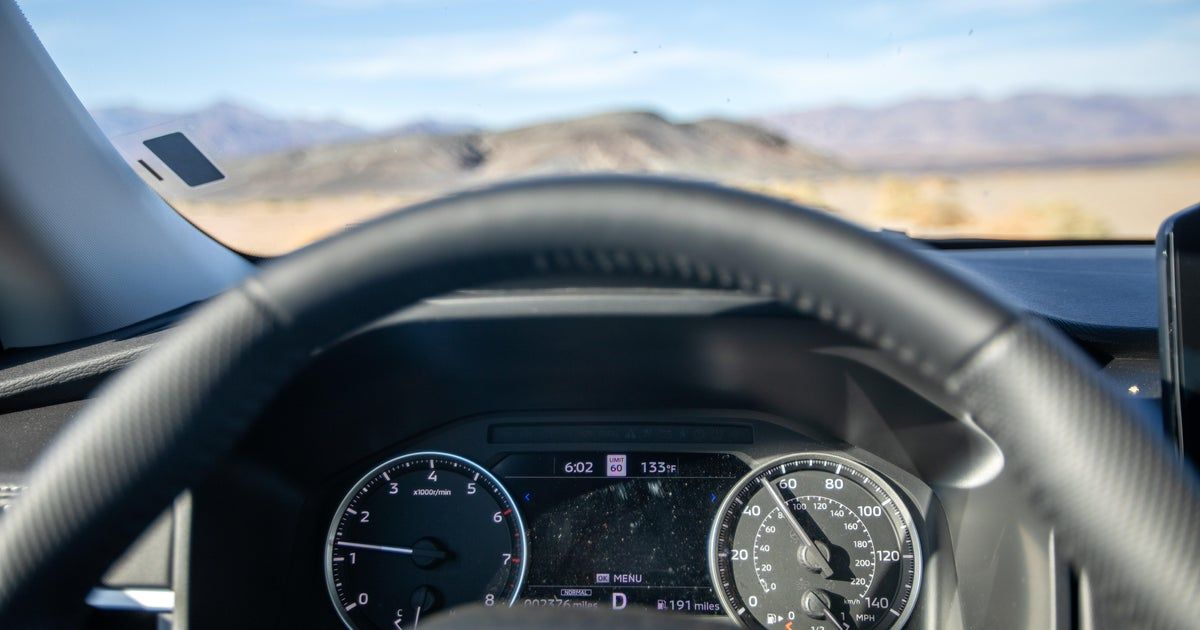
A parked car can become dangerously hot within minutes, even when the weather outside feels merely warm. Sunlight heats the dashboard, seats and trim, and the sealed cabin traps that heat faster than people expect, putting children, pets and vulnerable adults at serious risk.
The key safety rule is simple: do not leave a person or animal in a parked vehicle to wait, even briefly, and do not rely on a cracked window as protection. Heat in a car is not just uncomfortable; it can overwhelm the body before help arrives.
Why parked cars heat up so quickly
A car parked in direct sun works much like a small greenhouse. Solar energy passes through the glass and is absorbed by interior surfaces such as the dashboard, steering wheel, seats and child safety seats. Those surfaces then release heat into the cabin, where the air has little room to circulate.
The glass and closed doors slow the escape of that heat. A light breeze outside may make the sidewalk feel tolerable, but it does little for a sealed interior. This is why the inside of a car can feel dramatically hotter than the air temperature reported by a weather app.
Cracking a window is not a reliable solution. A small opening may allow a little hot air to escape, but it does not stop the main process: sunlight continuing to heat the car’s interior materials. For safety planning, treat a cracked-window car as a closed car.
How hot can the inside of a car get?
Public health agencies commonly use an 80-degree Fahrenheit day to show how quickly risk builds. On a day that many people would not describe as extreme, the cabin can rise into triple digits in a short time. The first several minutes are often the most important because the temperature climbs rapidly at the start.
Widely cited safety guidance from U.S. public health and weather agencies illustrates that an 80-degree day can push a parked car to around 109 degrees Fahrenheit after about 20 minutes, around 118 degrees after about 40 minutes, and above 120 degrees after about an hour. The exact number in any one vehicle varies, but the lesson is durable: the cabin temperature does not need a record-breaking heat wave to become dangerous.
Surfaces can become even hotter than the air. Dark dashboards, steering wheels, seat belt buckles, leather or vinyl seats and child seat hardware can absorb intense heat. Some interior surfaces in direct sun can become hot enough to cause painful contact burns, especially for children with sensitive skin.
Temperature also matters in Celsius terms. A cabin above 40 degrees Celsius is already unsafe for prolonged waiting, and parked cars in summer sun can exceed that level quickly. The danger is not limited to deserts or southern states; it can happen anywhere there is strong sun, still air and a closed vehicle.
Why heat is especially dangerous for children and pets
Heat illness occurs when the body cannot shed heat fast enough. Sweating, breathing and blood flow to the skin help cool the body, but those systems can be overwhelmed in a hot car. When body temperature rises too far, heat exhaustion can progress to heat stroke, a medical emergency.
Children face several added risks. Their bodies heat up faster relative to their size, they may not be able to open doors or windows, and infants cannot communicate distress clearly. A child who is asleep or quiet may appear fine from a distance while still being in danger.
Pets are also highly vulnerable. Dogs and cats cannot cool themselves in the same way humans do, and panting becomes less effective when the surrounding air is extremely hot. Leaving a pet with a bowl of water does not make a parked car safe.
Older adults and people with certain medical conditions can also be at risk if left in a vehicle, particularly if they have limited mobility, take medications that affect hydration or heat tolerance, or cannot easily call for help.
What changes how hot a parked car gets?
No single feature makes a parked car safe in the sun, but several factors influence how quickly it heats and how uncomfortable it becomes when you return.
- Shade: Parking under a tree, structure or carport can reduce direct solar heating, though shade moves as the sun changes position.
- Interior color: Dark dashboards and upholstery usually absorb more heat than lighter surfaces.
- Glass area: Large windshields, panoramic roofs and big rear windows admit more sunlight unless shaded or treated.
- Window tint: Quality heat-rejecting tint can reduce solar gain, but tint laws vary and tint does not make it safe to leave occupants inside.
- Sunshades: A windshield shade can lower dashboard and steering wheel heat, especially when used consistently.
- Humidity: High humidity makes it harder for bodies to cool through sweating, increasing health risk even if the cabin temperature is similar.
- Vehicle size and ventilation: Smaller cabins can feel heat more intensely, but larger vehicles also become dangerous when closed.
Electric vehicles and some newer cars may offer remote climate control or cabin preconditioning. These features can make returning to a car more comfortable, but they should not be treated as a child or pet safety system unless the vehicle is specifically designed, monitored and legally appropriate for that purpose. Batteries, software settings, connectivity and automatic shutoff rules can all affect reliability.
How to keep a parked car cooler
For the vehicle itself, the goal is to reduce heat buildup and then ventilate safely before driving. These steps help with comfort and may reduce burns from hot surfaces, but they do not replace the rule against leaving people or pets inside.
- Choose shade when possible. Even partial shade can reduce direct heating of the dashboard and seats.
- Use a windshield sunshade. It is inexpensive, low-tech and effective at limiting direct sunlight on the hottest front surfaces.
- Cover touch points. A towel over a steering wheel, child seat buckle or dark seat can make contact safer when you return.
- Ventilate before sitting. Open doors or windows briefly to let the hottest air escape before turning on the air conditioning.
- Start air conditioning safely. Once the vehicle is on, use fresh-air mode briefly to push out hot air, then switch to recirculation as the cabin cools.
- Check seats and buckles. Touch metal and plastic parts before placing a child in a car seat.
A common cooling trick is to open one window or door and fan another door several times to push hot air out. This can help the car feel less oppressive at the start, but it does not cool hot interior materials immediately. The steering wheel, buckles and seats may remain hot after the air begins to move.
Common mistakes to avoid
The biggest mistake is thinking a short stop will stay short. A quick errand can turn into a line, a phone call or a distraction. If a child or pet is with you, take them with you every time or skip the stop.
Another mistake is assuming mild outdoor temperatures are harmless. A sunny 70s or 80s day can still create a hazardous cabin. Cloud cover, shade and wind can change quickly, and the car’s interior does not respond the way open air does.
Drivers should also be cautious about what they store in hot cars. Electronics, portable batteries, medicines, cosmetics, food, canned drinks, aerosol products and some plastics can be damaged by high heat. Items may leak, lose effectiveness, warp or become unsafe to use. If a product label says to store at room temperature or avoid heat, a parked car is usually a poor storage place.
Finally, do not confuse cabin heat with engine overheating. A hot interior is caused mainly by sunlight and trapped air. An overheating engine is a mechanical problem involving the cooling system, coolant, radiator, thermostat, water pump, fans or related components. Both deserve attention, but they are different problems.
Frequently asked questions
Is it safe to leave a child or pet in the car with the windows cracked?
No. A cracked window does not prevent rapid heat buildup and should not be relied on for safety. Children, pets and vulnerable adults should never be left waiting in a parked car in warm or sunny conditions.
What is the 30-60-90 rule for cars?
In car ownership, 30-60-90 usually refers to maintenance milestones around 30,000, 60,000 and 90,000 miles. It is not a heat-safety rule. Parked-car heat can become dangerous in minutes, not at a predictable maintenance interval.
How do I fix an overheating car permanently?
Engine overheating requires diagnosing the cooling system rather than cooling the cabin. A mechanic may check coolant level, leaks, radiator condition, thermostat operation, cooling fans, hoses and the water pump. Continuing to drive an overheating engine can cause serious damage.
Can I put a portable heater in my car?
Use only heating equipment that is designed and approved for vehicle use, and follow the manufacturer’s instructions. Improvised heaters can create fire, burn, battery and carbon monoxide risks. For cold-weather cabin comfort, the vehicle’s built-in heating system is generally the safer option when it is working properly.
This article is for general information only and is not investment advice. Do your own research or consult a licensed adviser before making financial decisions.
Related articles
- How to Manage Summer Stress and Anxiety
- Why the Early U.S. COVID Response Struggled
- Bell’s Palsy in Pregnancy: Symptoms and Care
Forrás: eredeti cikk