
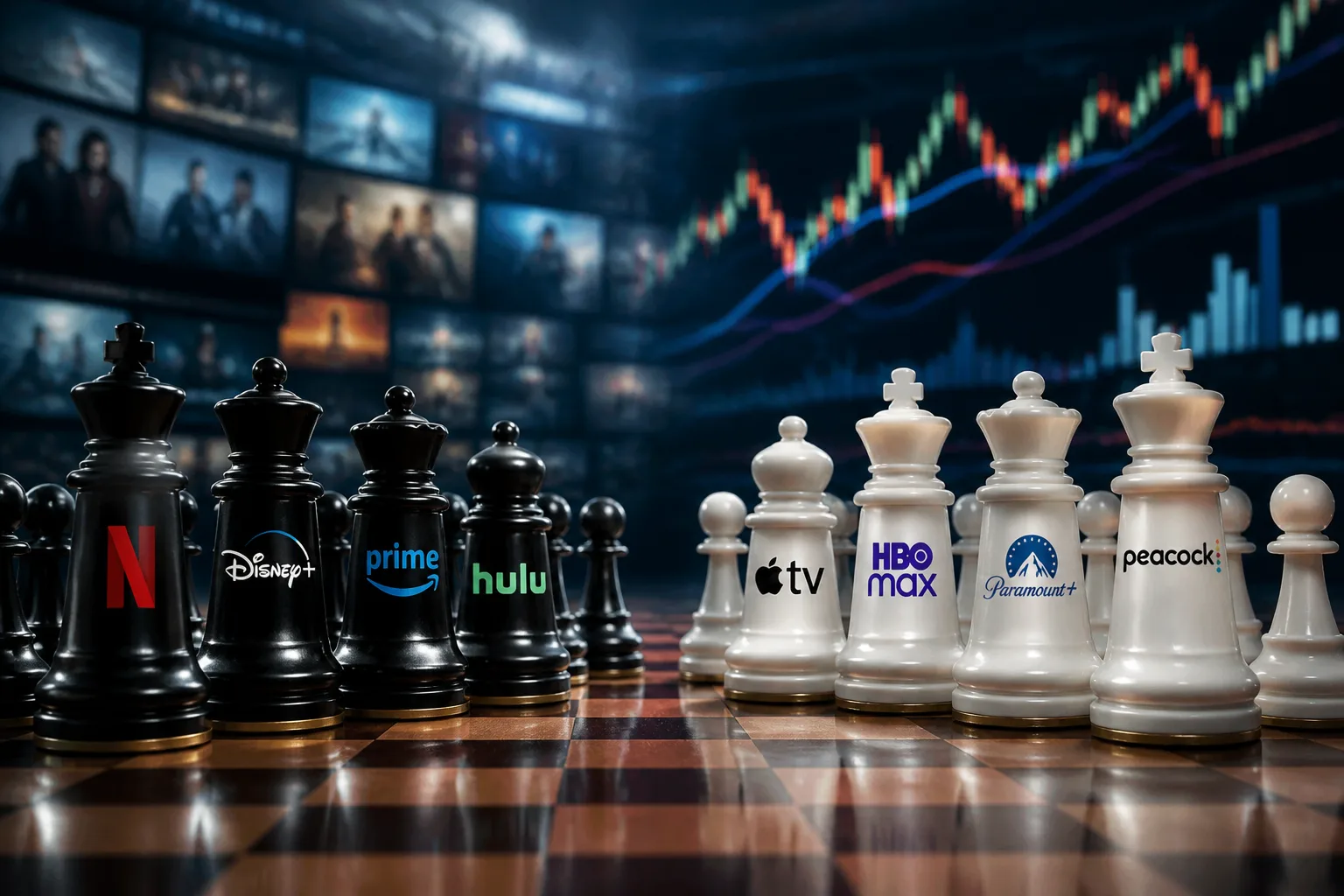
For investors in streaming stocks, the industry’s next phase is looking less like a race to launch standalone apps and more like a fight to control the bundle. After years of encouraging consumers to cut the cable cord, major media companies are rebuilding packages of streaming services, sports, news and advertising-supported tiers in an effort to reduce churn and improve profitability.
The shift matters because Wall Street is no longer rewarding streaming growth at any cost. Investors are increasingly focused on cash flow, operating discipline and whether platforms can keep subscribers engaged without spending endlessly on content and marketing. That puts the “bundle wars” at the center of the investment case for media stocks.
Why Bundles Are Back
The original appeal of streaming was simplicity: consumers could subscribe to only the services they wanted and cancel easily. That same flexibility created a major problem for providers. Subscription churn became a persistent drag, especially when viewers signed up for a hit show, watched it, and left.
Bundles are designed to make cancellation less likely. A household that uses one service for children’s programming, another for prestige drama, and another for live sports has more reasons to stay inside the same ecosystem. For companies, bundling can also lower customer acquisition costs because one marketing campaign can promote multiple services at once.
The new bundles are not simply old cable packages with a different delivery system. They may combine premium streaming, ad-supported streaming, live sports, mobile plans, retail memberships or broadband relationships. The goal is to make streaming feel more essential and less disposable.
What It Means for Netflix Competitors
Netflix remains the benchmark for global scale, engagement and streaming profitability. That puts pressure on Netflix competitors to find advantages beyond simply adding more shows. Disney, Warner Bros Discovery, Paramount and Comcast’s media assets have deep libraries, franchises and sports rights, but many are still working through the financial burden of building direct-to-consumer platforms.
For Disney stock, the bundle strategy is central to the broader turnaround story. Disney has multiple streaming assets, a powerful family and franchise brand, and sports exposure through ESPN. The company’s challenge is to balance subscriber growth with content costs and the gradual migration of sports audiences from traditional television to digital platforms.
Warner Bros Discovery faces a different investor debate. Its content library is broad, spanning HBO, film, unscripted television and cable networks, but the company has also had to manage debt, restructuring and changing viewer habits. Bundling can help increase engagement, yet investors will want evidence that it improves margins rather than simply adding complexity.
Smaller or less diversified media stocks may find the bundle wars more difficult. Without must-have sports, a large content library or a strong distribution partner, standalone services risk becoming occasional subscriptions rather than permanent household expenses.
Ad-Supported Streaming Changes the Economics
Ad-supported streaming is another major piece of the bundle strategy. Lower-cost ad tiers can attract price-sensitive households while giving media companies a second revenue stream. For investors, the important question is not just whether subscribers choose ad-supported plans, but whether advertising revenue can offset lower subscription revenue and support better overall profitability.
Advertising also gives streaming platforms more flexibility in packaging. A bundle can include premium ad-free options, cheaper ad-supported tiers, or hybrid plans through telecom, retail or device partners. This allows companies to target different consumer segments without relying on one subscription model.
However, ad-supported streaming is not a guaranteed solution. Advertising demand can weaken during economic slowdowns, and marketers want reliable measurement, brand safety and broad reach. Platforms with strong engagement data and large audiences are better positioned than niche services with limited scale.
Key Factors Investors Should Watch
As the bundle wars intensify, investors should look beyond headline subscriber numbers. The more useful signals are often found in operating trends and management commentary.
- Churn reduction: Are bundles keeping customers subscribed for longer periods?
- Average revenue quality: Are companies growing revenue through better packaging, ads and engagement rather than heavy discounting?
- Content spending discipline: Are platforms investing in programming that drives retention, or chasing volume for its own sake?
- Sports strategy: Live sports can anchor bundles, but rights costs are high and competition is intense.
- Partnership strength: Distribution deals with telecom, device, retail or broadband partners can expand reach and reduce marketing costs.
- Profitability timelines: Investors should watch whether streaming losses narrow and whether management can deliver consistent cash generation.
The Investment Takeaway
The bundle wars are a sign that the streaming market is maturing. Growth is still important, but the strongest streaming stocks will likely be those that combine scale, pricing flexibility, compelling content and disciplined spending. Companies that can reduce subscription churn while building meaningful ad-supported streaming revenue may earn a stronger valuation case over time.
Still, investors should be cautious about treating every bundle announcement as a breakthrough. Bundles can improve retention, but they can also hide weak demand if companies rely too heavily on promotions or complicated partnerships. The winners will be the platforms that make consumers feel they are getting clear value while also proving to shareholders that the economics work.
For media stocks, the next stage of streaming will be less about who has the most apps and more about who controls the customer relationship. That is why bundling, advertising and content discipline are now central to the market’s view of Netflix competitors, Disney stock, Warner Bros Discovery and the broader streaming sector.