

Big leaps in science have made a once-impossible, much-debated question come to life: Would you design your unborn child?
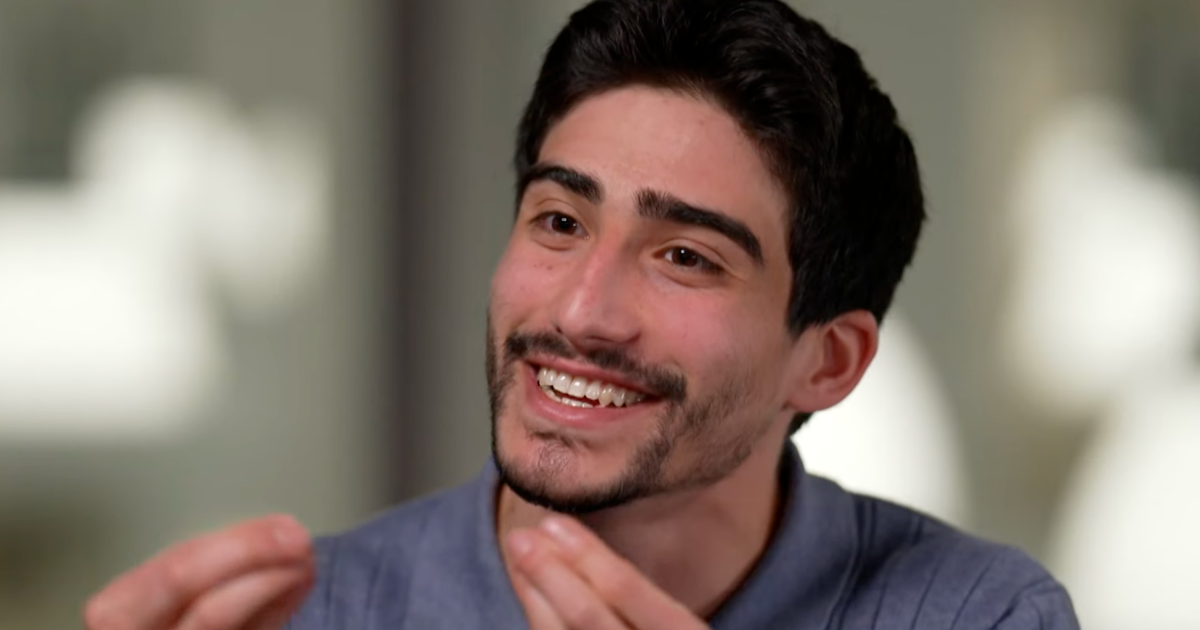
Kian Sadeghi, the 25-year-old founder and CEO at Nucleus Genomics, believes every parent has a right to do just that, selecting qualities they desire – from height to weight to intelligence. He calls it “genetic optimization,” and it’s part of a Silicon Valley push to breed “super-babies.”
Sadeghi dropped out of the University of Pennsylvania and started the company in 2021, inspired by a cousin who died of a rare genetic illness. Backed by investors and prominent tech entrepreneurs like Peter Thiel and Alexis Ohanian, Sadeghi says his company has already helped thousands of families.
“It’s the parents’ right to know”
“We give you the full range of insights there is to know about your future child. We really think it’s the parents’ right to know,” he told “CBS Mornings” in an interview that aired Wednesday.
Genetic testing companies like Nucleus say DNA screening of embryos can prevent disease, while also giving parents a unique ability to compare and choose traits that make up a healthier baby – and one that’s more desirable in the eyes of mom and dad.
“They want us to, you know, play sports and they want us to go to the best school. They want us to be well educated. They want us to thrive. Life, I think, as a parent doesn’t just stop at ‘I want my child to be healthy,'” Sadeghi said.
For $30,000, Nucleus offers a program called IVF+, which includes full DNA scans of both parents and up to 20 embryos conceived through in vitro fertilization. The results come back in the form of a sleek, user-friendly menu.
Advanced DNA screenings
The company screens embryo samples for more than 2,000 traits and conditions, including eye color, hair color, intelligence – even acne. It also can estimate genetic predisposition to medical conditions such as depression, autism and bipolar disorder.
Sadeghi says this “genetic optimization” allows parents to minimize disease while maximizing traits they prefer. However, critics have drawn comparisons to a different term: “eugenics.”
“[It’s not eugenics] by any stretch, because it’s fundamentally about empowering people with information that they can use to give their child the best start in life,” he said. “And yes, if you want 2 inches taller for your child, 3 inches taller, right, if you want a couple IQ-point difference, absolutely, by all means, do that. But I’m saying, you’re really asking me here, you’re asking me, what is life about? That’s what you’re really getting at when you talk about height and IQ, right, they’re abstractions of life.”
Ethical debate over reproductive genetics
But while companies like Nucleus continue to grow, some medical experts point to the ethical dilemmas surrounding these types of new reproductive technologies. An article published in the MIT Technology Review in October argued the race to create the “perfect baby” is actually creating an “ethical mess.”
In a statement last year, the American College of Medical Genetics and Genomics said the practice of genetic screenings and use of polygenic risk scores for embryo selection has “moved too fast with too little evidence.”
“In this statement we do not address either individual or broader social, ethical, and regulatory issues this testing raises,” the group noted.
But Sadeghi said he remains confident in the data.
“Our predictors can better predict longevity from an embryo’s DNA than any other genetic model ever built,” he said.
However, he pushes back on the criticism that he’s creating a new class of “superhumans.”
“DNA is not destiny, the messiness of life, the nurture element of life, right, how hard your child works, you know, what school they go to, what resources they have, serendipity, all those factors are never, ever going to go away,” Sadeghi said.