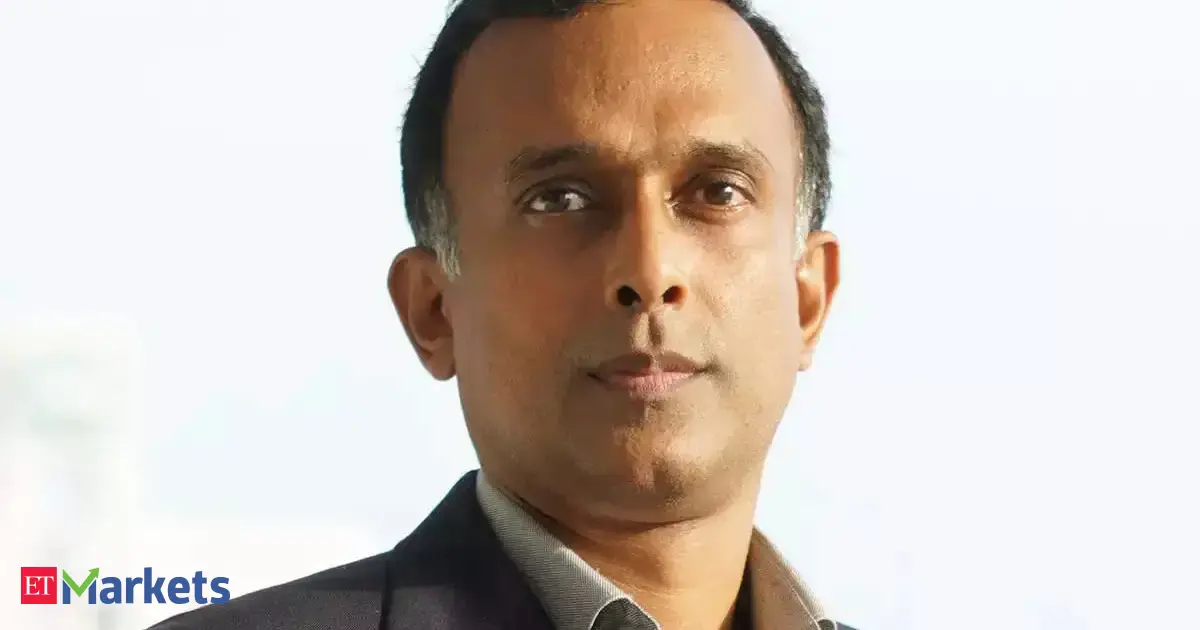


Likening derivatives trading (futures & options) to a ‘poison’ laced with ‘cocaine’, Sharma warned that the destructive impact of F&O trading would be felt across generations.
“I love this Budget for ONE major reason: hiking of STT on derivatives. Derivatives are a poison x cocaine, eating away at the roots of our youth. Its destructive effect will be felt by generations. It’s a pure wealth transfer from the traders to F&O specialist brokers, who have been massive winners of this drug + gun trade. ( Not their fault),” the GQuant FinXray founder said in a tweet.
In his view, the F&O segment in India adds no value to the country but cannot be stopped.
“F&O adds zero value to India. It deducts inestimable value. It can’t be stopped but it can be taxed the hell out of. Kudos to the Finance Minister,” Sharma said.
The government’s decision to raise the securities transaction tax (STT) on derivatives triggered a sharp sell-off in brokerage and exchange stocks during the special live weekend trading session. Shares of BSE, Groww (Billionbrains Garage Ventures), and Angel One plunged as much as 13.5%.
“I propose to raise the STT on Futures to 0.05 percent from the present 0.02 percent. STT on options premium and exercise of options are both proposed to be raised to 0.15 percent from the present rate of 0.1 percent and 0.125 percent, respectively,” FM Sitharaman said in her Budget speech.”The increase in STT on derivatives may impact trading but it should be looked at as an encouragement to gradually shift towards cash market and long-term investing,” said, A Balasubramanian, Managing Director & CEO, Aditya Birla Sun Life AMC, echoing a somewhat similar sentiment.
Vishal Kampani – Vice Chairman and Managing Director, JM Financial said that the measured increase in STT on futures and options reflects a clear intent to curb excessive speculation, fostering a more stable market and encouraging sustainable participation from long-term retail and institutional investors.
Other side of spectrum
Sandeep Nayak, MD & CEO at Centrum Finverse called STT hike the only notable disappointment from today’s budget, especially in the absence of any corresponding relief in capital gains taxation.
Bhupinder Singh, Founder, InCred Group said that the sharp increase in STT on futures and options has “understandably unsettled markets” and could weigh on trading volumes at a delicate moment. “Predictability and active participation are vital for deep capital markets, so ongoing engagement between government and market stakeholders will be key,” he opined.
Estimated impact
Decoding the impact, Ashish Singhal, Co-founder, Lemonn, said that the current STT framework does not differentiate between various categories of users or the purpose of derivative usage, genuine hedging activity is subject to the same higher costs as speculative trading. In his view, this uniform treatment could discourage some investors from employing prudent hedging strategies, effectively increasing their exposure to market risk and making portfolio protection more expensive.
Doing the math, this analyst said that for every Rs 1 lakh worth of futures sold, traders will now pay Rs 20 in STT instead of the previous Rs 12.50. For a Rs 10,000 option contract sale, STT increased to Rs 10 from Rs 6.25, he added.
(Disclaimer: The recommendations, suggestions, views, and opinions given by the experts are their own. These do not represent the views of The Economic Times.)