

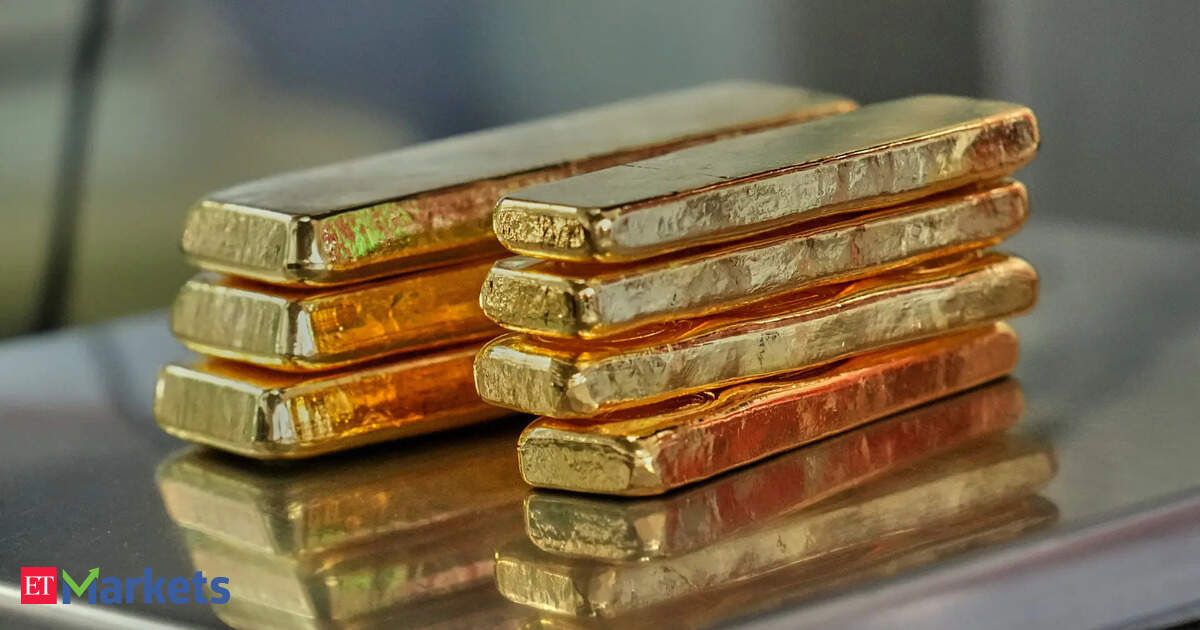
The rally reflects not only geopolitical caution but also a broader shift in sentiment, with central banks and institutional buyers reinforcing demand for the metal. At the same time, the US dollar has slipped, weighed down by expectations of softer monetary policy and diminished appetite for dollar-denominated assets.
A shaky ceasefire
The continuation of the ceasefire remains uncertain, with both sides wary of each other’s intentions and regional tensions still simmering beneath the surface. While the truce has temporarily eased fears of direct conflict, investors recognize that any breakdown in talks could reignite instability. This fragile peace has already influenced bullion markets, with gold prices surging as traders hedge against the risk of renewed hostilities. If the ceasefire holds, gold may stabilize, but lingering doubts about its longevity ensure that bullion will continue to attract safe-haven demand, keeping upward pressure on prices in the near term.
US dollar, recent US economic releases, and Fed rate cut expectations
The latest US economic releases painted a mixed picture, with GDP growth slowing to just 0.5% in the fourth quarter and inflation stabilizing at 2.1% in March. While this offered some relief, energy-driven price pressures remain a concern, delaying expectations of Federal Reserve easing. Against this backdrop, the US dollar’s performance shifted dramatically around the ceasefire with Iran. Before the truce, the dollar held firm as a safe-haven asset, but once the ceasefire was announced, it fell nearly 1% to a four-week low, reflecting reduced demand. This weakness, paired with geopolitical uncertainty, fuelled a surge in gold prices.
Structural demand for gold amid global uncertainty
Central banks and investors continue to provide a strong structural foundation for gold demand, independent of short-term market swings. Many central banks, particularly in emerging economies, are steadily increasing their gold reserves as a hedge against currency volatility and to diversify away from reliance on the US dollar. This sustained accumulation reflects a strategic move to strengthen financial stability amid global uncertainty. At the same time, institutional and retail investors are turning to bullion as a reliable safe-haven asset, especially in periods of geopolitical tension. Together, these forces ensure that gold remains resilient, with long-term upward pressure supported by structural demand.

Near-term catalysts
In the near term, gold’s trajectory will be shaped by three key catalysts: weakness of the dollar, inflation data, and the fragile nature of the US–Iran ceasefire. The dollar’s decline following the truce has already boosted gold’s appeal, as a weaker greenback makes bullion more affordable for global buyers. Upcoming US inflation releases will be critical—any signs of persistent price pressures could reinforce gold’s role as a hedge against eroding purchasing power. Meanwhile, the ceasefire, though welcomed, remains precarious, and investors are wary of renewed tensions. This uncertainty ensures safe-haven demand stays elevated. Taken together, these factors suggest gold will remain volatile but biased upward, with investors quick to buy on dips as long as geopolitical risks and inflation concerns linger.
Indian demand and price outlook amid Akshaya Tritiya and weak INR
In India, gold demand is expected to see a seasonal lift during Akshaya Tritiya, a festival traditionally associated with buying bullion. The weakening US dollar has already made international gold more attractive, and a recent correction in prices could encourage retail buyers to step in. While this may trigger a minor recovery in domestic prices, the broader outlook remains tied to international factors such as global inflation trends, central bank buying, and geopolitical risks. For investors, a gradual and systematic approach to accumulating gold remains prudent, as its long-term outlook is stable and continues to offer a hedge against uncertainty.
(The author Hareesh V is Head of Commodity Research, Geojit Investments Limited. Views are own)
(Disclaimer: Recommendations, suggestions, views and opinions given by the experts are their own. These do not represent the views of The Economic Times)
Forrás: eredeti cikk