
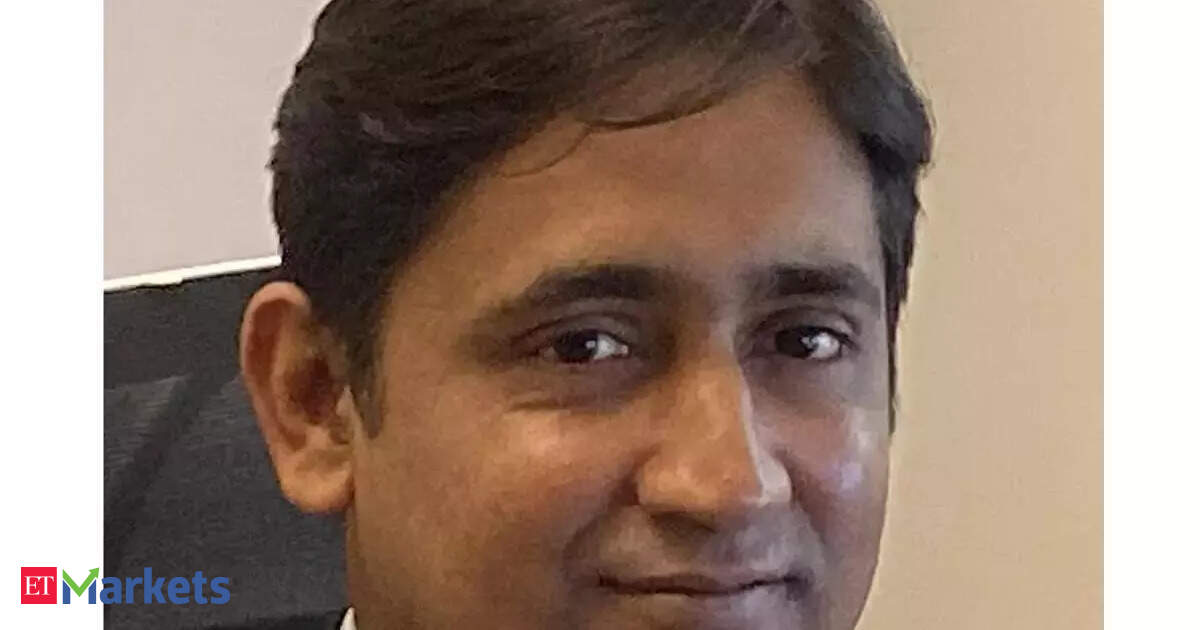
Anand notes that over the past 3–5 months, growth indicators have strengthened meaningfully. Broader market earnings for the latest quarter came in at 14–15%, commentary across sectors has turned more optimistic, and a series of demand-boosting measures—GST cuts, income-tax reductions, and lower interest rates—are beginning to work their way through the economy.
“Growth has started to come back. After many quarters, there were some signs of optimism coming up from the recent quarterly earnings season. While you are still single digit on the Nifty, the broader markets will have about a 14-15% overall earnings growth and more importantly, commentary in terms of an improvement in the growth outlook were seeming a bit relatable,” he said.
With global and US Fed rate expectations turning benign and domestic consumption showing early signs of revival, Anand believes the market could be approaching its next upward phase. Still, two risks persist: the unresolved US–India trade deal and the pressure on the rupee. A favourable outcome on either could materially lift investor sentiment.
On positioning, Anand’s flexicap strategy remains anchored in domestic themes. The digital ecosystem is a core overweight, followed by a significant allocation to banks. He sees value across financials—both in long-term compounders such as ICICI Bank, Kotak Bank and HDFC Bank, and in value names like SBI, Axis Bank and IDFC First Bank. With NIM pressure and asset-quality challenges now largely behind, he expects a stronger earnings trajectory from lenders.

“We are staying away from things linked to global. We just believe there is a lot of uncertainty around trade, around the currency, around different multiple moving parts. And also, capital goods is a space that we had very healthy exposures here. We have cut them over the last year. Valuations had moved up, but we are waiting for the underlying growth momentum to come back,” he said.
However, Anand is cautious on global cyclicals due to trade and currency uncertainty. He is also selective in pharma, highlighting the challenge posed by the decline of Revlimid-linked profits for several generic players. IT remains an area of watchfulness given US economic uncertainty, slowing growth and unclear AI-led disruption risks. Capital goods, though structurally strong, face valuation headwinds.On digital investing, Anand acknowledges his fund’s unusually high concentration: five stocks make up 90% of the portfolio. This, he says, is driven not by limited options but by strict filters around competitive moats and long-term dominance. Upcoming digital IPOs may help diversify exposure without compromising on quality.
On classic moat-driven companies like Asian Paints, IndiGo and Page Industries, Anand believes their business moats remain intact. The challenge, however, lies in inflated valuations formed during years when capital chased only a handful of high-quality names. As earnings normalize, he expects valuations to correct, keeping these stocks under pressure despite strong fundamentals.
Forrás: eredeti cikk