
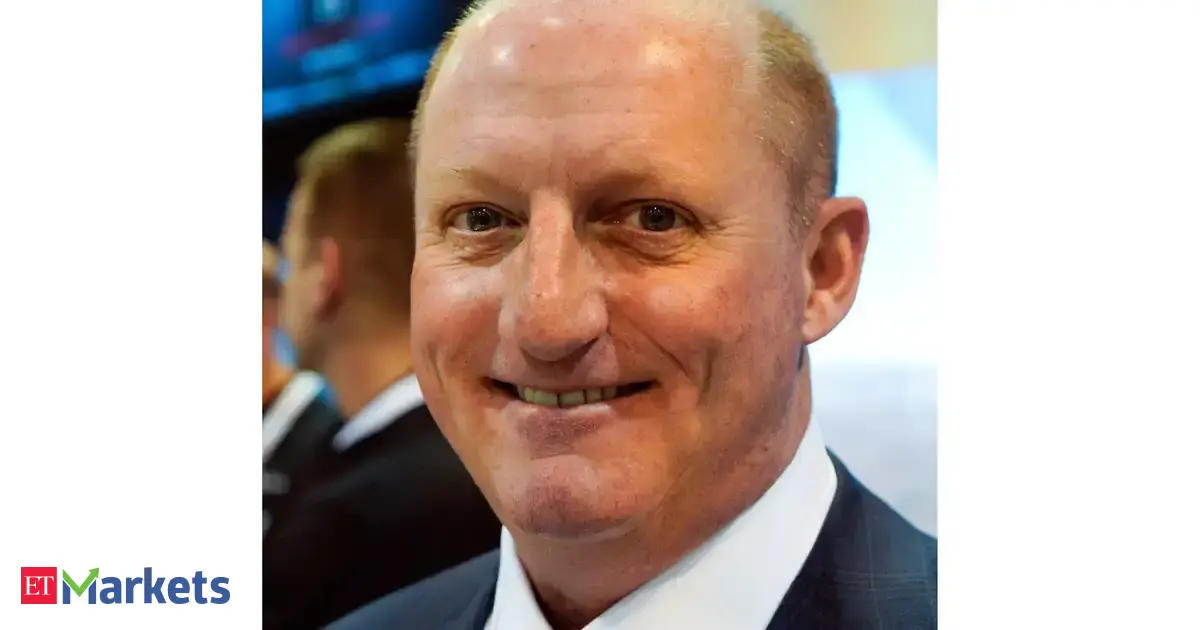
The pay revision comes days after Buffett formally stepped down from day-to-day leadership at the end of December. Abel, 63, took over as chief executive on January 1, marking the first change at the top of Berkshire in more than 60 years.
Buffett, now 95, has retired from operational responsibilities but will continue as chairman and remain involved with the company.
Abel had spent the past eight years as vice chairman in charge of Berkshire’s non-insurance businesses and was long seen as Buffett’s chosen successor. His compensation during that period was also set by Buffett. In 2024, Abel earned a salary of $21 million, following $20 million in 2023. In 2022, he received a $16 million salary along with a $3 million bonus.
Buffett had approved identical pay packages for Vice Chairman Ajit Jain, who oversees Berkshire’s insurance operations, between 2022 and 2024. The company has not yet disclosed the compensation details for Abel and Jain for 2025.
Buffett led Omaha-based Berkshire Hathaway for more than six decades, transforming it from a struggling textile business into a diversified conglomerate now valued at over $1 trillion. Today, Berkshire owns or controls nearly 200 businesses spanning insurance, railroads, energy, manufacturing and retail.
Its major assets include Geico car insurance, the BNSF railroad, a vast utilities network, and well-known consumer brands such as See’s Candies and Brooks running shoes.Despite stepping away from daily management, Buffett remains one of the world’s richest individuals and continues as Berkshire’s chairman. During his tenure, the company repeatedly noted in regulatory filings that its executive compensation philosophy was “different” from that of most public companies, reflecting Buffett’s long-standing preference for modest personal pay and strong alignment with shareholders.
Abel, in contrast, has significant personal wealth tied to Berkshire. He owns about $171 million worth of Berkshire stock. In 2022, he sold his 1% stake in Berkshire Hathaway Energy to the parent company for $870 million, further strengthening his financial ties to the conglomerate.
Buffett has said he will continue to come to the office, even after relinquishing operational control. His retirement from the chief executive role closes a defining chapter in American corporate history. Under his leadership, Berkshire became the ninth-most-valuable company in the United States and the country’s second-largest property and casualty insurer, with stocks, bonds and cash holdings approaching $700 billion.
For decades, Berkshire’s annual shareholder meeting in Omaha, built around Buffett’s extended question-and-answer sessions, has drawn thousands of investors and admirers from around the world. With Abel now formally at the helm, investors will be watching closely to see how the next phase of leadership shapes one of America’s most influential companies.
(Disclaimer: Recommendations, suggestions, views and opinions given by the experts are their own. These do not represent the views of Economic Times)